The Broke Salesman's Free Drink Offer That Built the $500 Billion Coupon Industry
The Handwritten Ticket That Started It All
Asa Candler was running out of options. The year was 1886, and he'd just bought the rights to a peculiar syrup called Coca-Cola from its inventor, Dr. John Pemberton. The problem was simple: nobody wanted to try it. The dark, sweet concoction looked suspicious to most customers, and at five cents a glass, it wasn't exactly cheap for the average American worker.
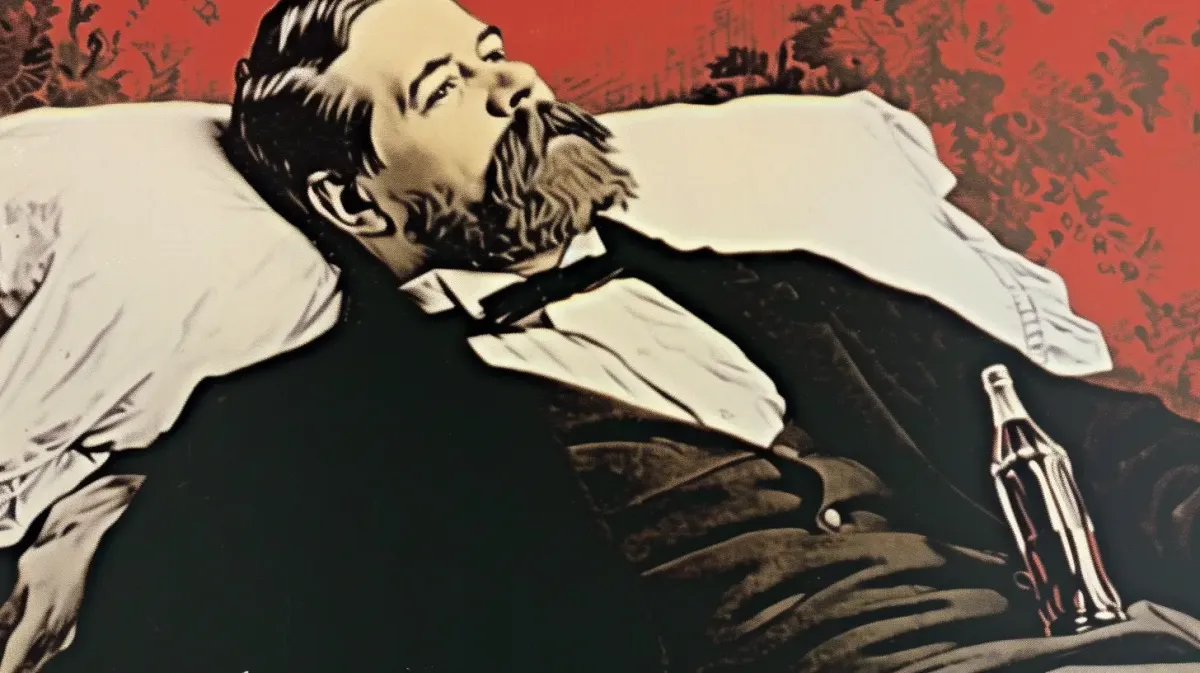 Photo: Dr. John Pemberton, via cdn.prod.website-files.com
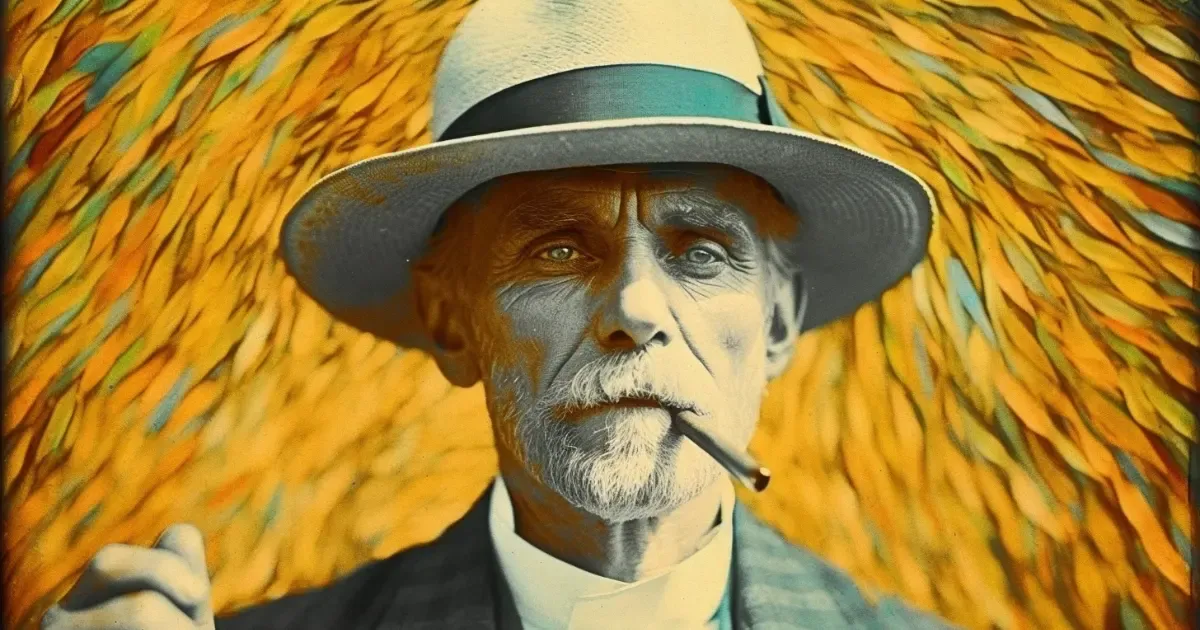 Photo: Asa Candler, via cdn.prod.website-files.com
So Candler did something that seemed almost foolish at the time. He started writing out small tickets by hand—crude little slips of paper that entitled the bearer to one free glass of Coca-Cola syrup mixed with carbonated water. He gave these tickets to anyone who would take them: people walking by his pharmacy, customers buying other products, even random strangers on the street.
It was a move born of desperation, not genius. Candler was hemorrhaging money, and free drinks were the last thing his struggling business could afford. But he figured that if he could just get people to taste the product once, they might come back and pay for it.
The Psychology Nobody Understood
What Candler didn't realize was that he had stumbled onto one of the most powerful psychological tricks in human commerce. He wasn't just giving away free drinks—he was creating a small piece of perceived value that people could hold, save, and redeem at their convenience.
Those handwritten tickets did something that simple verbal offers couldn't: they made the free drink feel like a tangible possession. People tucked them into their wallets, showed them to friends, and felt a small thrill of ownership. The ticket transformed a desperate sales pitch into something that felt like a gift or prize.
Even more importantly, the tickets created what psychologists now call "commitment escalation." Once someone had gone to the trouble of keeping the ticket and walking into a pharmacy to redeem it, they were psychologically primed to view the product more favorably. They had invested effort in the transaction, which made them more likely to enjoy the experience and return as paying customers.
From Pharmacy Counter to National Phenomenon
By the 1890s, Candler's handwritten tickets had evolved into professionally printed coupons. As Coca-Cola expanded beyond Atlanta, the company realized that these small pieces of paper were more than just a promotional tool—they were a scalable system for introducing the product to new markets.
The company began distributing coupons through newspapers, magazines, and direct mail campaigns. They partnered with other businesses to include Coca-Cola coupons in unrelated purchases. They even convinced pharmacies and soda fountains to display the coupons prominently, turning them into a form of advertising that customers actually wanted to take home.
What had started as one desperate salesman's last resort had become a sophisticated marketing machine. By 1913, Coca-Cola had distributed over 8.5 million free drink coupons across the United States.
The Template That Conquered America
Other companies quickly noticed what Coca-Cola was doing and began experimenting with their own versions. Soap manufacturers offered cents-off coupons for new products. Breakfast cereal companies included discount tickets in magazine advertisements. Department stores began mailing seasonal coupons to regular customers.
But it wasn't until the Great Depression that coupons truly exploded into mainstream American culture. As families tightened their budgets, the small savings offered by manufacturer coupons became genuinely meaningful. Grocery stores began accepting coupons as a way to attract price-conscious shoppers, and newspapers started dedicating entire sections to coupon advertisements.
The Digital Revolution Nobody Saw Coming
For most of the 20th century, coupons remained a fundamentally physical phenomenon—pieces of paper that had to be cut out, saved, and presented at checkout. But the psychological principles that Candler had accidentally discovered in 1886 translated perfectly to the digital age.
Today's apps like Honey, Rakuten, and RetailMeNot operate on the exact same premise as those handwritten Coca-Cola tickets: they offer consumers a small piece of perceived value that makes them feel smart, savvy, and in control of their purchasing decisions. The technology has changed, but the psychology remains identical.
The Half-Trillion-Dollar Accident
Modern coupon redemption in the United States now exceeds $500 billion annually when you include digital discounts, cashback programs, and promotional codes. What began as a broke salesman's desperate attempt to give away free drinks has evolved into one of the most sophisticated and profitable aspects of American retail.
The genius of Candler's original insight—though he never would have described it that way—was recognizing that consumers don't just want lower prices. They want to feel like they're getting a deal, like they've discovered something valuable, like they're smarter than the average shopper.
The Legacy in Your Pocket
Every time you apply a promo code at checkout, use a cashback app, or clip a digital coupon, you're participating in a ritual that traces back to those handwritten tickets from 1886. The formats have evolved dramatically, but the core promise remains the same: a small piece of paper (or pixels on a screen) that transforms an ordinary purchase into a small victory.
Asa Candler just wanted people to try his strange new drink. He accidentally created the psychological framework that now drives American consumer behavior across every category of retail spending. Not bad for a desperate pharmacy owner who couldn't afford to keep giving away free sodas.