From Cotton Candy to Credit Cards: How Traveling Fairs Taught Americans to Buy What They Couldn't Afford
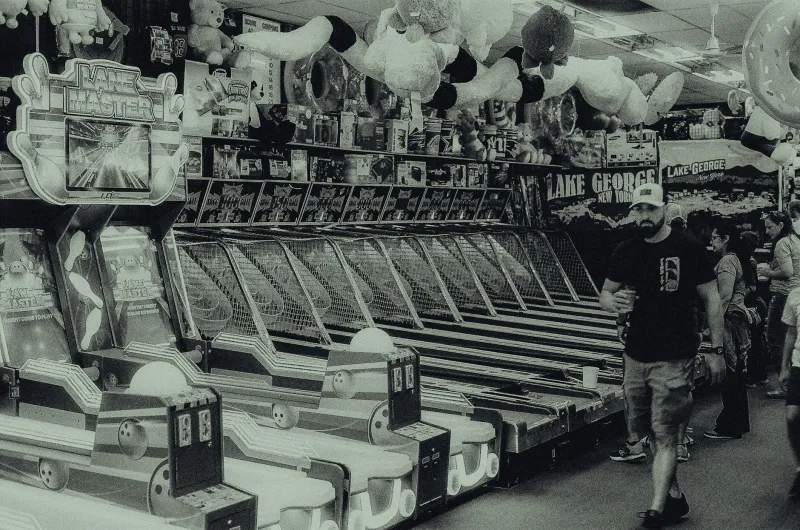
The Midway That Changed America
In 1903, a traveling carnival in Ohio introduced something that would reshape American consumer culture — though nobody realized it at the time. Instead of requiring customers to pay the full price upfront for carnival prizes, operators began offering a "ticket system" where players could accumulate points over multiple visits to eventually claim larger rewards.
What seemed like a simple carnival gimmick was actually the first mass introduction of deferred payment psychology to working-class Americans. Long before banks made installment buying respectable, the traveling fair was teaching ordinary families that they could have something now and pay for it later.
The Economics of the Carnival
Traveling fairs of the early 1900s faced a fundamental problem: most of their customers were working-class families with limited spending money. A farmhand might have 50 cents for an entire evening's entertainment, but the carnival's most attractive prizes — elaborate stuffed animals, jewelry, household goods — cost far more than any single customer could afford.
Carnival operators solved this with ingenious economics. Instead of selling prizes directly, they sold chances. But unlike simple gambling, their system introduced something revolutionary: the ability to accumulate value over time.
Customers could play ring toss or shooting galleries for a nickel, earning tickets or points toward prizes that might cost the equivalent of $5 or $10. Families would return night after night, slowly building toward a reward that would have been financially impossible as a single purchase.
The Psychology of Small Payments
What carnival operators had discovered was the psychological power of breaking large purchases into small, manageable payments. A mother who would never spend $3 on a stuffed animal for her child would happily spend 15 cents per night for three weeks to "win" the same prize.
This wasn't just about affordability — it was about changing how people thought about value and ownership. The carnival system taught customers that they could commit to something they couldn't afford today by making a series of smaller commitments over time.
Even more importantly, it made the eventual purchase feel like a reward rather than an expense. Families weren't buying stuffed animals; they were earning them through persistence and skill.
From Fairgrounds to Main Street
By the 1910s, sharp-eyed merchants in small towns across America began noticing something interesting: families who regularly attended traveling fairs were more open to installment buying arrangements at local stores.
General store owners started offering "layaway" systems directly inspired by carnival prize structures. Customers could put a coat or piece of furniture "on hold" and pay it off over several months. The psychological barrier to deferred payment had been broken by cotton candy and ring toss games.
The carnival had accidentally created a generation of Americans comfortable with the concept of paying for things over time.
The Traveling Classroom
Traveling fairs served as an unofficial financial education system for rural and working-class America. In an era when banks were intimidating institutions that served primarily wealthy customers, the carnival midway was where ordinary families learned the mechanics of credit.
Carnival games taught lessons that would prove essential to consumer culture: how to budget for installments, how to calculate total cost over time, and how to manage the temptation to overspend when payment was deferred.
These weren't formal lessons — they were embedded in the entertainment. A father teaching his children how to "save up" carnival tickets for a bigger prize was inadvertently teaching them the fundamentals of installment buying.
The Department Store Revolution
When department stores began offering formal installment plans in the 1920s, they discovered that their most enthusiastic customers were people who had grown up attending traveling fairs. The psychological groundwork had already been laid.
Store credit managers reported that customers who were comfortable with carnival prize systems adapted quickly to furniture and appliance installment plans. The leap from "earning" a stuffed animal through multiple carnival visits to "earning" a refrigerator through monthly payments felt natural.
What had started as carnival entertainment had become the foundation of American consumer credit culture.
The Credit Card Connection
The parallels between carnival prize systems and modern credit cards are striking. Both allow customers to accumulate value over time. Both make large purchases feel manageable through small, regular payments. Both transform spending into a form of gaming where rewards justify the cost.
When credit cards were introduced in the 1950s, Americans didn't need to be taught how to use them. The psychology had been embedded in popular culture for decades through carnival midways and department store layaway plans.
The Unintended Legacy
Traveling fairs never intended to revolutionize American finance. Carnival operators were simply trying to extract maximum revenue from customers with limited cash. But their solution — breaking large purchases into small, manageable payments tied to entertainment and reward — became the template for modern consumer culture.
Today, when Americans use credit cards, payment plans, or subscription services, they're participating in an economic system that traces its psychological roots back to the carnival midway. The "buy now, pay later" culture that defines modern American commerce was born between the cotton candy stand and the ring toss game.
From Sawdust to Silicon Valley
The story of how carnival games taught America to embrace consumer credit reveals something fascinating about how financial innovation actually spreads. The most powerful changes in how people think about money often come not from banks or government policies, but from entertainment and popular culture.
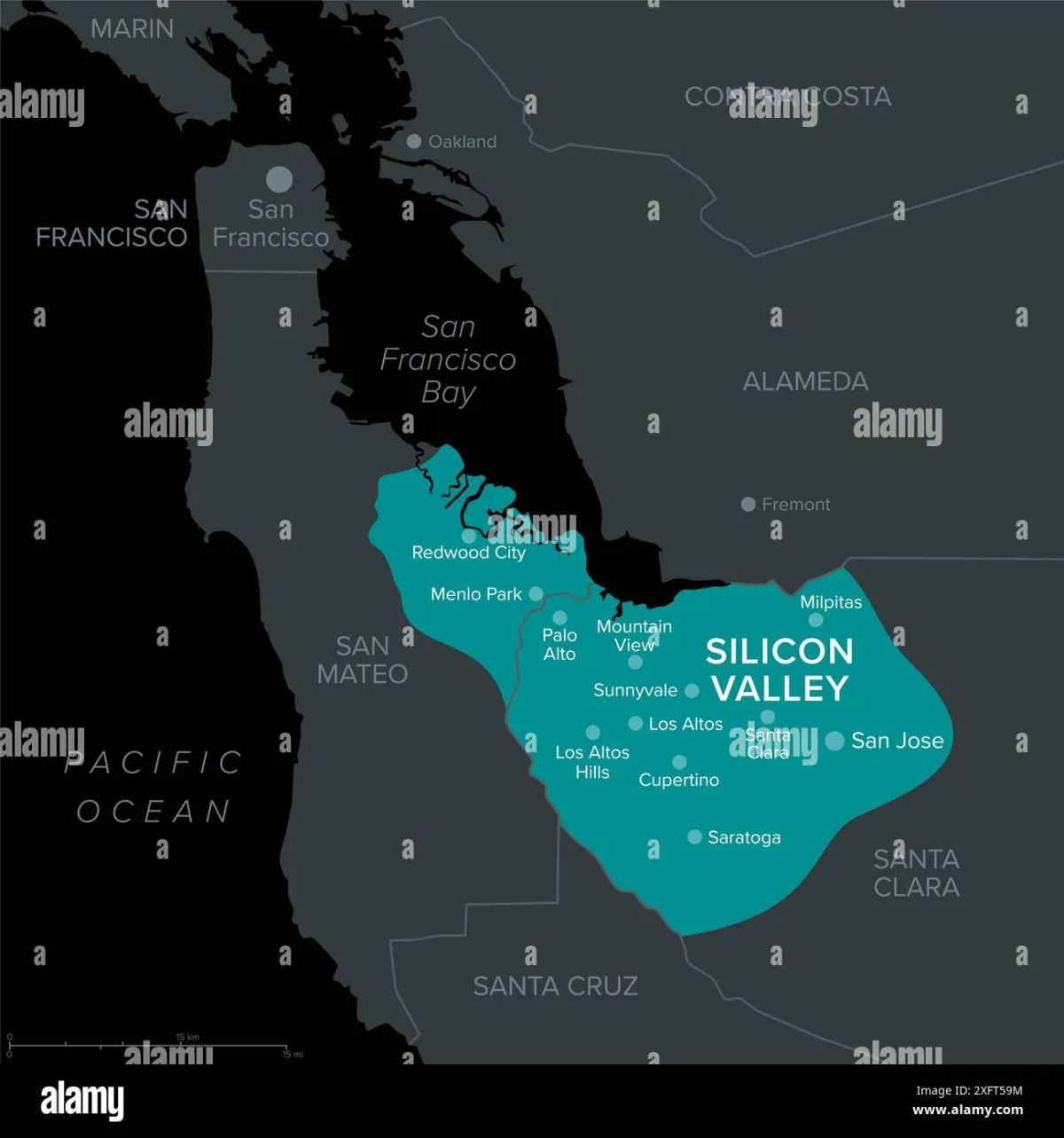 Photo: Silicon Valley, via c8.alamy.com
Every time an American swipes a credit card or sets up a payment plan, they're using financial psychology that was first developed to help working-class families afford stuffed animals at traveling fairs. The midway that taught America to buy what it couldn't afford became the invisible foundation of a consumer economy built on deferred payment and accumulated rewards.