How a Depression-Era Chili Stand Built the Snack Aisle You Know Today
How a Depression-Era Chili Stand Built the Snack Aisle You Know Today
Walk into any gas station, movie theater, or vending machine corridor in America and you'll find them: bags of corn chips in every conceivable flavor, stacked in rows like wallpaper. Fritos. Doritos. Tostitos. The whole crunchy, salty category feels as permanent and inevitable as the highway rest stop it's usually sold in. But the entire industry traces back to a single, improvised decision made by one man at a chili stand in San Antonio during the worst economic collapse in American history. And it very nearly never left Texas.
The Man With the Masa
In the early 1930s, Charles Elmer Doolin — known to most people as C.E. Doolin — was running a small candy and confectionery business in San Antonio that wasn't going particularly well. The Depression had hollowed out discretionary spending, and Doolin was looking for something he could sell cheaply, in volume, to people who didn't have much money to spend.
The answer came from a Mexican street vendor he encountered around 1932. The vendor was selling small, fried corn chips made from masa — the same corn dough used to make tortillas — that he'd been extruding through a hand-operated press. The chips were simple, cheap to produce, and almost infinitely shelf-stable. Doolin bought the recipe, the equipment, and the vendor's small customer list for $100. According to family accounts, he borrowed the money from his mother.
He named the chips Fritos — Spanish for "little fried things" — and started making them in the family kitchen. His mother, Daisy, reportedly cooked the first batches herself. Doolin would load them into his car and drive his route, selling bags to local diners and lunch counters. Production in those early days ran about ten pounds per hour. The margins were thin, the operation was barely organized, and the product had no name recognition outside of a few San Antonio neighborhoods.
From Kitchen to Company
What Doolin had that most Depression-era food entrepreneurs didn't was a genuine belief that the chip wasn't just a regional novelty — it was a product that could scale. He moved operations from San Antonio to Dallas in the late 1930s and began building out a more systematic manufacturing process. He developed a network of licensed distributors across Texas, then pushed into neighboring states.
The timing helped. World War II created food shortages that actually worked in the corn chip's favor. Fritos were calorie-dense, portable, and made from ingredients that weren't heavily rationed. The military purchased them. Workers on long shifts bought them. The chip that had started as a workaround for Depression-era scarcity turned out to be perfectly suited for wartime convenience.
By the late 1940s, Fritos were a regional phenomenon. Doolin partnered with Herman Lay — a snack food distributor running a parallel operation built around potato chips out of Nashville — and the two companies began operating in tandem across overlapping markets. In 1961, the Frito Company and H.W. Lay & Company merged to form Frito-Lay, creating the infrastructure that would eventually sit inside PepsiCo and define the American snack industry for the next half century.
The Disneyland Deal That Created Doritos
But Fritos are only half the story. The other half begins at a theme park.
In the early 1960s, Frito-Lay was operating a restaurant inside Disneyland called Casa de Fritos — a fast food Mexican concept that used Fritos products as a cornerstone of its menu. The restaurant was buying its tortillas from a local vendor, and at some point, kitchen staff noticed that the vendor was salvaging stale, unsold tortillas by frying them with seasoning rather than throwing them away. The fried scraps were being sold cheaply at the park and disappearing fast.
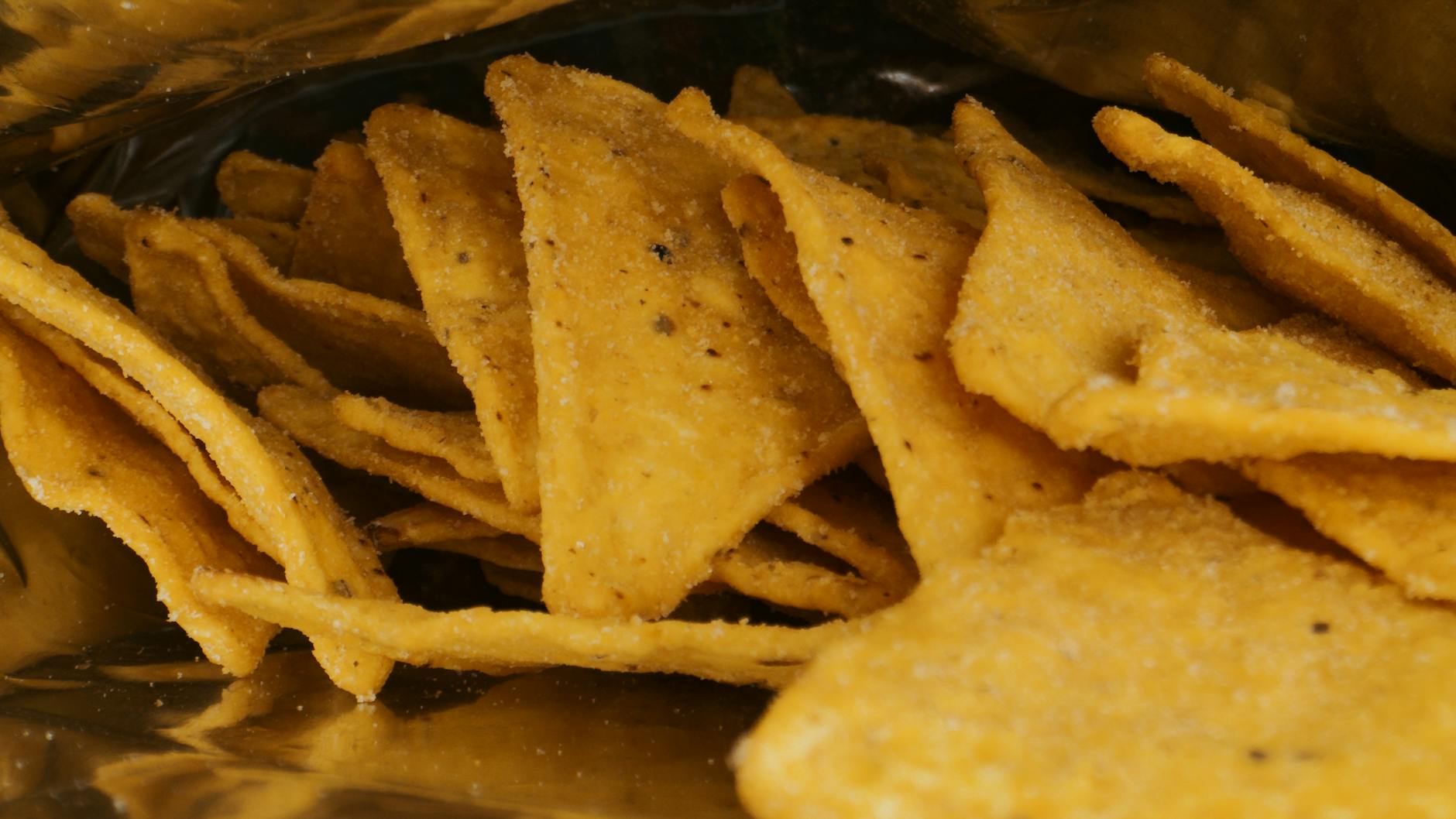
Frito-Lay executives saw what was happening and recognized it immediately. They licensed the concept, worked with their product development team to standardize a seasoned, triangular tortilla chip, and in 1966 launched Doritos nationally. The name, loosely translated, means "little golden things" in Spanish. The original flavor was plain toasted corn. Nacho Cheese followed in 1972 and changed everything — it became one of the best-selling snack flavors in American history and established the template for the hyper-flavored chip category that still drives billions in annual sales.
Scarcity as the Mother of Invention
What's striking when you trace this whole line back to its source is how much of it was improvised under pressure. Doolin wasn't a food scientist or a venture-backed entrepreneur. He was a guy with $100, a borrowed recipe, and a Depression-era instinct for finding products people could afford to buy. The Doritos origin is even more bottom-up — a kitchen staff quietly solving a waste problem and stumbling into a national product.
The corn chip industry didn't emerge from a lab or a corporate strategy deck. It emerged from people making something useful out of what they had, in circumstances that didn't leave a lot of room for waste.
Every time you reach into a bag of chips without thinking about it — at a desk, on a couch, in a car — you're at the end of a very long chain that starts with a hand press in a San Antonio kitchen, a vendor who needed to move his masa, and a man who saw something in a $100 gamble that most people would have walked right past.