How Gas Rationing Accidentally Invented the Great American Road Trip
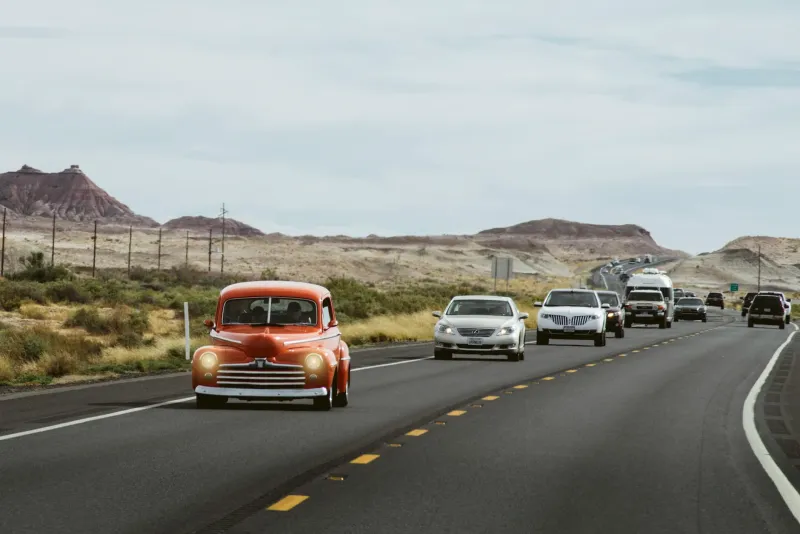
The Day America Stopped Driving for Fun
On December 1, 1942, something unprecedented happened in America: the government told citizens they could no longer drive wherever they wanted, whenever they wanted. Gas rationing had arrived, and with it came the near-death of recreational driving.
Suddenly, Sunday drives became unpatriotic. Family trips to the beach required government permission. The open road—that symbol of American freedom—was effectively closed to anyone not engaged in "essential" travel.
For four years, Americans were forced to rediscover what life looked like without the casual car trip. They had no idea this deprivation was about to create one of the most powerful cultural forces in American history.
The Great Driving Drought
Wartime rationing wasn't just about gas—it was about rubber. Japan's conquest of Southeast Asia had cut off America's supply of natural rubber, making every tire precious. The government's solution was dramatic: ration both gasoline and rubber so severely that non-essential driving virtually disappeared.
Americans received color-coded stickers for their windshields. Most got "A" stickers, allowing just three to four gallons of gas per week—barely enough for commuting to work. "B" stickers were for essential workers. "C" stickers went to doctors, ministers, and others deemed critical to the war effort.
Leisure driving? Forget about it.
"People would walk to the grocery store rather than 'waste' gas," recalled Margaret Thompson, whose father managed a gas station in Ohio during the war. "Families that used to drive to the lake every weekend suddenly hadn't been there in years."
The psychological effect was profound. Americans began to view car trips not as routine convenience, but as precious luxury. Every gallon of gas became something to be carefully planned and savored.
The Hunger Builds
As the war dragged on, something unexpected happened. The very act of not being able to drive for pleasure made Americans desperate to do exactly that. Car travel transformed from routine transportation into forbidden fruit.
Magazines began running articles about "the drives you'll take when the war is over." Families made elaborate plans for post-war road trips, mapping routes to national parks and distant relatives they hadn't seen in years. The American Automobile Association, despite having almost no business during the war, kept publishing travel guides for a future when Americans could drive freely again.
"It was like being on a diet," explains Dr. Lisa Rodriguez, who studies consumer behavior at UCLA. "The more you can't have something, the more you want it. Americans spent four years fantasizing about road trips they couldn't take."
Meanwhile, the government was accidentally creating the infrastructure that would make post-war road trips possible on an unprecedented scale.
The Hidden Infrastructure Revolution
World War II transformed American infrastructure in ways that wouldn't become obvious until after the war ended. Military bases sprouted across the country, connected by new roads and supported by supply chains that reached into previously remote areas.
When the war ended, this infrastructure didn't disappear—it was repurposed for civilian use. Military airfields became regional airports. Roads built to connect army bases became scenic highways. Towns that had boomed around defense plants suddenly needed new sources of economic activity.
The tourism industry was about to get a massive, unintended boost from military infrastructure.
"Suddenly there were decent roads and basic services in places that had been practically inaccessible before the war," notes transportation historian Dr. Michael Chen. "The military had accidentally built the backbone of America's tourism network."
The Great Unleashing
When gas rationing ended in August 1945, Americans didn't just return to normal driving patterns—they exploded onto the roads with pent-up wanderlust that shocked even the oil companies.
Gas station owners reported lines of cars filled with families heading out on long-delayed trips. Campgrounds that had been empty for years were suddenly overbooked. The National Park Service, which had seen visitor numbers plummet during the war, was unprepared for the flood of tourists that arrived in 1946.
"It was like a dam had burst," remembered one park ranger from Yellowstone. "We went from almost no visitors to more than we'd ever seen, practically overnight."
But this wasn't just about making up for lost time. Something deeper had changed in how Americans thought about car travel.
The Birth of the Family Vacation
Before the war, most American families took their vacations close to home, often at nearby lakes or beaches they could reach by train. The idea of driving hundreds of miles for a vacation was mostly limited to the wealthy.
But four years of driving deprivation had created a new cultural value: the road trip as family bonding experience. Americans had spent years dreaming about the places they would drive to when they could drive again. Now they were determined to make those dreams real.
The post-war economic boom provided the means. Suburban families had steady incomes, new cars, and—for the first time in years—unlimited access to gasoline. The stage was set for the road trip to become a central part of American family life.
The Industry That Rose to Meet Demand
Smart entrepreneurs recognized the opportunity immediately. Motor courts—the predecessors to modern motels—began sprouting along major highways. Roadside diners expanded their hours and added gift shops. Gas stations started selling maps, snacks, and travel supplies.
The entire American travel industry reorganized itself around the family car trip. Holiday Inn, founded in 1952, built its business model specifically around families driving between cities. Howard Johnson's restaurants positioned themselves as reliable stopping points for road-tripping families.
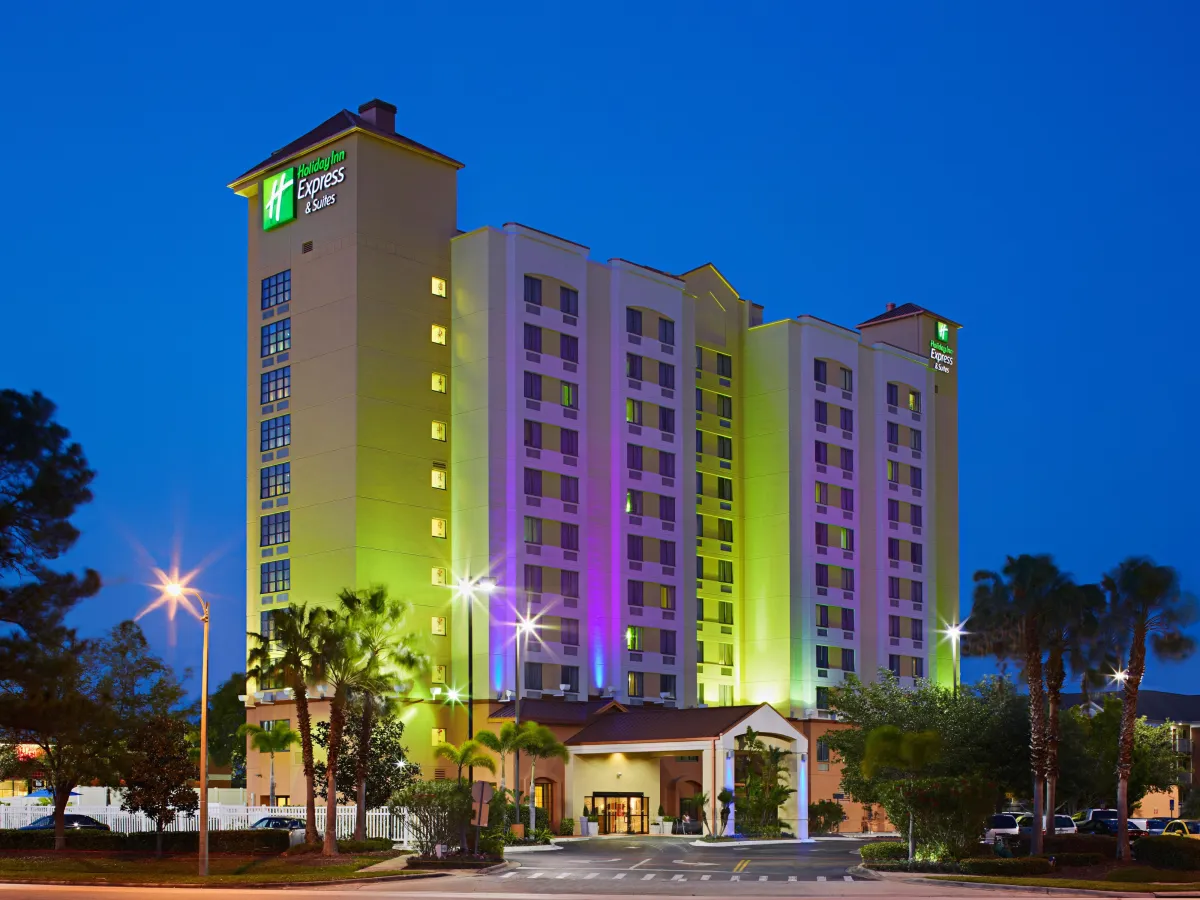 Photo: Holiday Inn, via ihg.scene7.com
"The travel industry didn't create the demand for road trips," explains hospitality industry analyst Janet Morrison. "The war created that demand. The industry just rose to meet it."
The Cultural Transformation
By the 1950s, the family road trip had become more than just a way to take a vacation—it had become a symbol of American freedom and prosperity. The ability to pile your family into a car and drive anywhere you wanted represented everything America had fought for during the war.
Route 66 became "America's Main Street." National parks redesigned their facilities around car-based tourism. State governments began marketing themselves as road trip destinations.
The psychological transformation was complete. Americans had learned to see car travel not just as transportation, but as recreation, adventure, and family tradition.
The Lasting Legacy
Today's $2.3 trillion travel industry still runs largely on the cultural foundation created by post-war road trip mania. The interstate highway system, built in the 1950s and 60s, was designed specifically to accommodate the car-based tourism that emerged from wartime gas rationing.
Even modern travel innovations—from GPS navigation to roadside chain restaurants—reflect assumptions about American travel behavior that were established in those first post-war years when families rediscovered the joy of the open road.
"Every time you plan a family road trip, you're participating in a cultural tradition that was accidentally created by World War II gas rationing," notes cultural historian Dr. Patricia Williams. "We learned to crave what we couldn't have, and when we got it back, we never wanted to give it up again."
The government officials who implemented gas rationing in 1942 were trying to win a war, not reshape American culture. But by temporarily taking away Americans' freedom to drive for pleasure, they accidentally created a hunger for road trips that has never been satisfied.
Sometimes the most lasting cultural changes come not from what we gain, but from what we lose—and then fight to get back.