How War Rationing Accidentally Put Books in Every American's Pocket
Pick up any paperback novel today — from a airport bestseller to a college textbook — and you're holding something that would have been unimaginable to most Americans before World War II. Not because the technology didn't exist, but because books simply weren't things ordinary people carried around.
Books were furniture. Expensive, hardbound objects that lived on shelves in libraries or the homes of the educated elite. The idea that a factory worker might slip a novel into their lunch pail, or a teenager might buy a book with their allowance money, seemed as unlikely as everyone owning their own automobile.
Then a war halfway around the world changed everything.
When Books Were Luxury Items
In 1939, the average hardcover book cost between $2 and $3 — roughly $40 to $60 in today's money. Publishers produced them as premium objects: thick paper, sewn bindings, dust jackets designed to last for decades. The economics made sense for their target market: libraries, universities, and wealthy households that viewed books as investments in their personal collections.
This wasn't just about price. The entire culture around books reinforced their status as precious objects. You didn't fold down page corners or crack spines. You certainly didn't throw them away when finished. Books were meant to be preserved, displayed, and passed down.
For most Americans, reading meant borrowing from libraries or sharing the family Bible. Owning books was a luxury few could afford and fewer still saw as necessary.
The Crisis That Changed Everything
Pearl Harbor didn't just drag America into war — it triggered immediate shortages of materials publishers had taken for granted. Paper, ink, glue, and cloth all became rationed commodities, with military needs taking priority over civilian publishing.
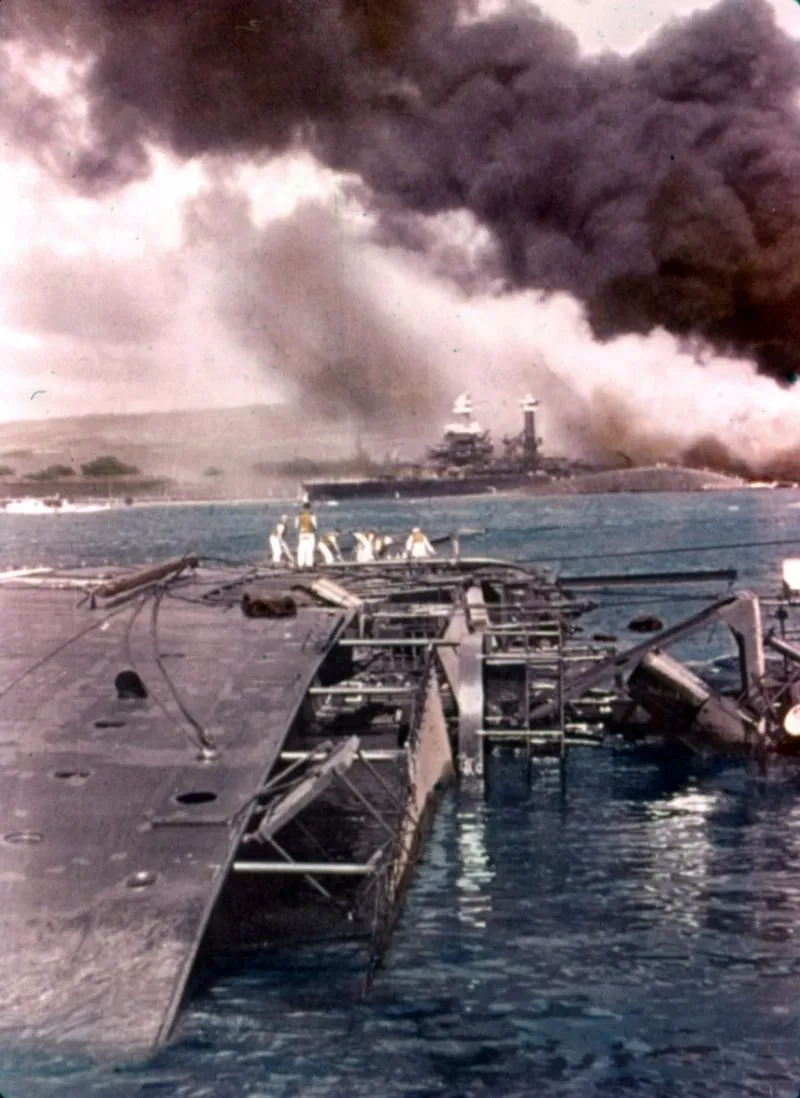 Photo: Pearl Harbor, via 4.bp.blogspot.com
Publishers faced a stark choice: dramatically reduce their output or find ways to produce books with less material. At the same time, the government was pressuring them to support the war effort by keeping American troops entertained and informed.
The solution came from an unlikely source: European publishers who had already been experimenting with cheaper paperback formats. But American publishers had always dismissed these as inferior products for inferior markets.
Wartime changed that calculation overnight.
The Pocket Book Revolution
In 1939, just months before the war began, Pocket Books had launched in the United States with a radical proposition: high-quality literature in cheap, portable paperback format, selling for just 25 cents. The timing seemed terrible — who wanted cheap books when the economy was finally recovering?
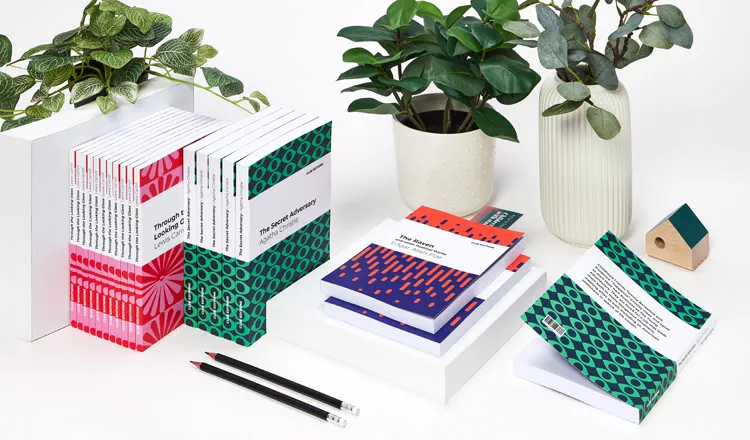 Photo: Pocket Books, via images.ctfassets.net
But as material shortages intensified, Pocket Books' efficient production model suddenly looked brilliant. While traditional publishers struggled with rationing, paperback producers could create multiple books with the same materials that went into a single hardcover.
The military became an unexpected customer. The Armed Services Editions program, launched in 1943, distributed over 120 million paperback books to troops overseas. Suddenly, millions of young Americans were carrying books in their pockets, reading during downtime, and discovering that books could be casual entertainment rather than formal education.
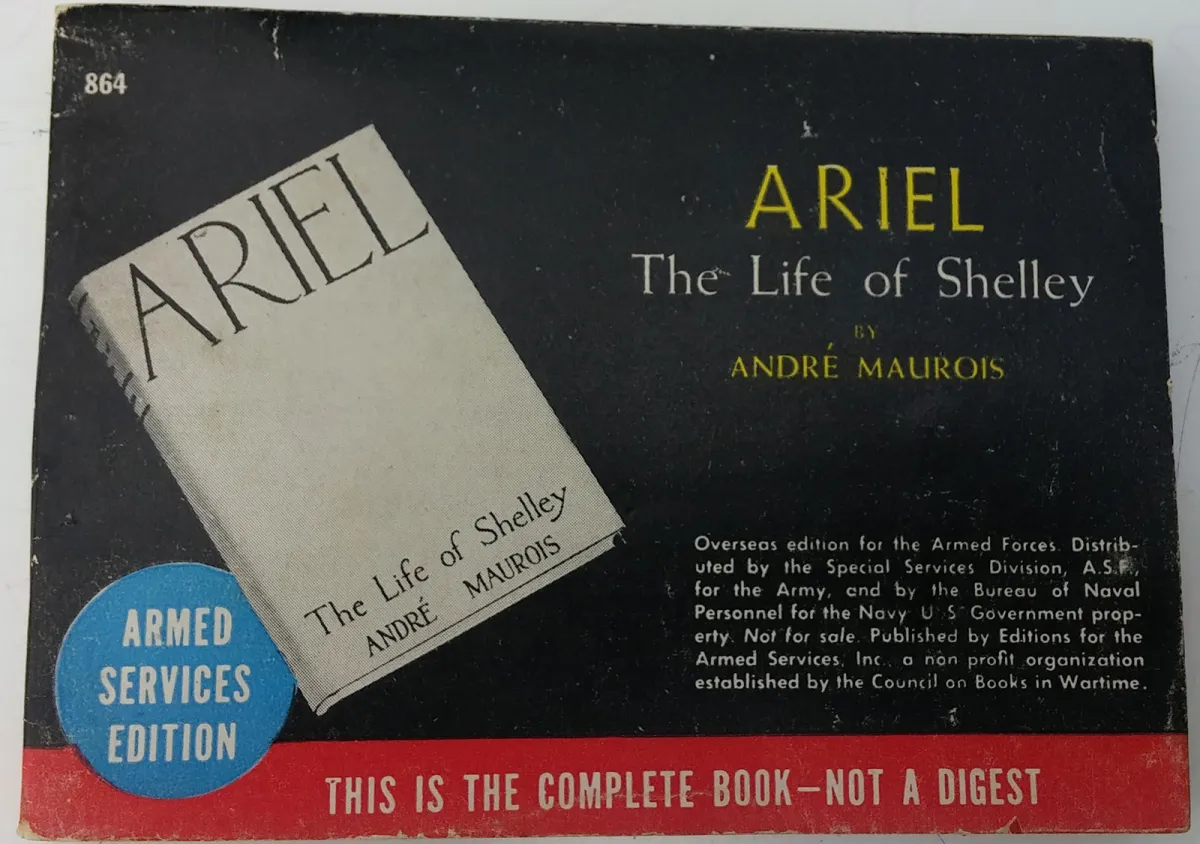 Photo: Armed Services Editions, via i1.wp.com
The Accidental Cultural Shift
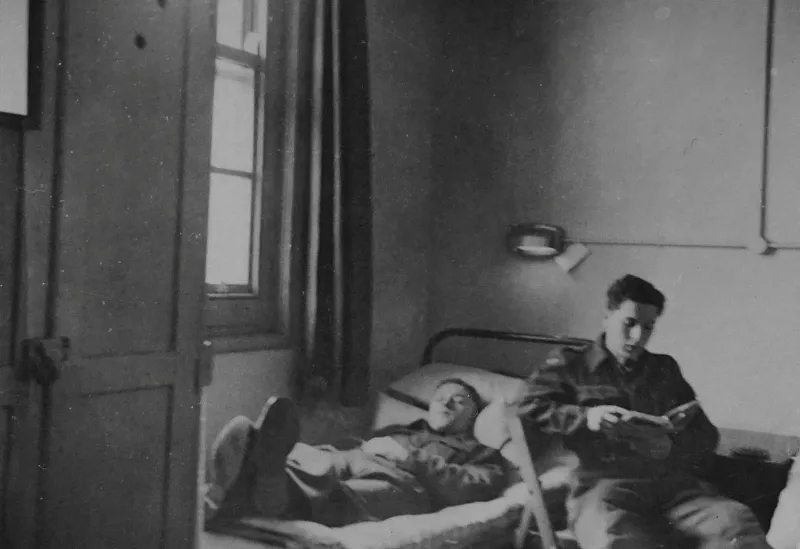
Something profound happened in those foxholes and barracks. Soldiers who had never owned books were reading voraciously. They were trading paperbacks, discussing plots, and developing reading habits that would last a lifetime.
More importantly, they were learning that books didn't need to be treated like precious artifacts. You could read a paperback while eating, mark it up with notes, or leave it behind when you moved on. Books could be consumable rather than collectible.
When these veterans returned home, they brought these attitudes with them. The GI Bill sent millions to college, creating a massive new market for textbooks and leisure reading. But these weren't the reverent book collectors of the previous generation — they were pragmatic consumers who wanted books to be affordable and accessible.
Building the Mass Market
Publishers quickly realized they had stumbled onto something bigger than a wartime expedient. The paperback format wasn't just cheaper to produce — it opened entirely new distribution channels. Drugstores, newsstands, and grocery stores could stock books alongside magazines and newspapers.
By the 1950s, paperback racks were appearing everywhere Americans shopped. Books became impulse purchases. You could grab a novel while buying groceries or pick up a mystery at the train station. Reading was no longer an activity that required planning and investment — it became as spontaneous as buying a magazine.
The numbers tell the story. In 1939, American publishers sold about 200 million books total. By 1959, they were selling over 350 million paperbacks alone, with total book sales exceeding 700 million copies annually.
The Democracy of Reading
What had started as a wartime necessity became a cultural revolution. Books were no longer symbols of class and education — they were entertainment for everyone. A construction worker could read the same bestseller as a college professor, and both could afford to buy their own copies.
This democratization extended beyond economics. Paperback publishers actively sought out popular fiction, mysteries, science fiction, and romance novels — genres that traditional publishers had often ignored as too commercial or lowbrow. The paperback format gave these stories legitimacy and distribution they'd never had before.
College students, in particular, embraced the new format. Suddenly, building a personal library didn't require a trust fund. Students could afford to own their textbooks and keep them after graduation. The paperback revolution helped fuel the expansion of higher education in postwar America.
The Legacy in Your Pocket
Today, Americans buy over 650 million books annually, with paperbacks and e-books accounting for the vast majority. The idea that books should be affordable, portable, and disposable — revolutionary in 1940 — now seems obvious.
But this transformation wasn't inevitable. It required a crisis that forced publishers to abandon their luxury model and experiment with mass production. World War II didn't just change how books were made — it changed how Americans thought about reading itself.
The next time you grab a paperback at the airport or download a book to your phone, remember: you're participating in a reading culture that was born from wartime shortages and accidental innovation. Sometimes the most lasting revolutions happen not because someone planned them, but because circumstances forced everyone to try something they'd previously considered impossible.