How a Medieval Clay Mix and World War II Turned a Pig Into America's First Bank

The Clay That Started It All
Every child who has ever dropped coins into a ceramic pig is participating in a tradition that began with a medieval European pottery clay called "pygg." In the 15th century, before modern banking existed, European households stored their money in jars made from this orange-colored clay, which was cheap, abundant, and perfect for holding coins.
Pygg clay was particularly popular in England, where potters discovered it fired into durable, watertight containers ideal for storing everything from grain to coins. Families would keep their pygg jars in kitchens or bedrooms, dropping in spare coins as a form of household savings. The clay was so associated with money storage that "pygg jar" became the common term for any coin container.
But pygg jars looked nothing like pigs. They were simple, functional pottery — usually round or cylindrical, with narrow openings to prevent easy access to the contents. The pig shape that defines the modern piggy bank wouldn't appear for another three centuries, and when it did, it was thanks to a linguistic accident.
When Words Collided
By the 18th century, the English language had evolved enough that "pygg" and "pig" (the animal) were pronounced identically, even though they had completely different origins. When customers asked potters for "pig banks" to store their money, confusion was inevitable.
Some enterprising English potters in the 1700s began making coin banks shaped like actual pigs, playing on the linguistic similarity. These novelty items were initially curiosities — expensive, decorative pieces for wealthy households who could afford whimsical pottery. The pig shape served no functional purpose; it was simply a pun made manifest in clay.
These early pig-shaped banks remained luxury items for decades, handcrafted and expensive. They were conversation pieces rather than practical savings tools, more likely to be displayed in parlors than used by children for coin storage.
The American Transformation
Pig-shaped banks might have remained expensive curiosities if not for 19th-century American mass production techniques. As industrial pottery methods developed in the United States, manufacturers discovered they could produce ceramic pig banks cheaply and in large quantities.
 Photo: United States, via www.mappery.com
By the 1880s, American pottery companies were churning out thousands of pig banks, but they still weren't primarily children's items. Early American pig banks were marketed to adults as novelty household accessories — decorative savings containers that happened to be shaped like farm animals.
The transformation from adult novelty to children's essential happened gradually through the late 19th and early 20th centuries, as American culture began emphasizing financial education for children. Banks, schools, and parents started looking for ways to teach kids about money management, and the pig bank's sturdy construction and coin-slot design made it perfect for the job.
War, Savings, and National Character
The piggy bank's explosion into American homes was driven by two major 20th-century crises that made childhood savings a national priority: the Great Depression and World War II. During the Depression, families desperately needed to teach children the value of money and the importance of saving every penny. The piggy bank became a tool for survival education.
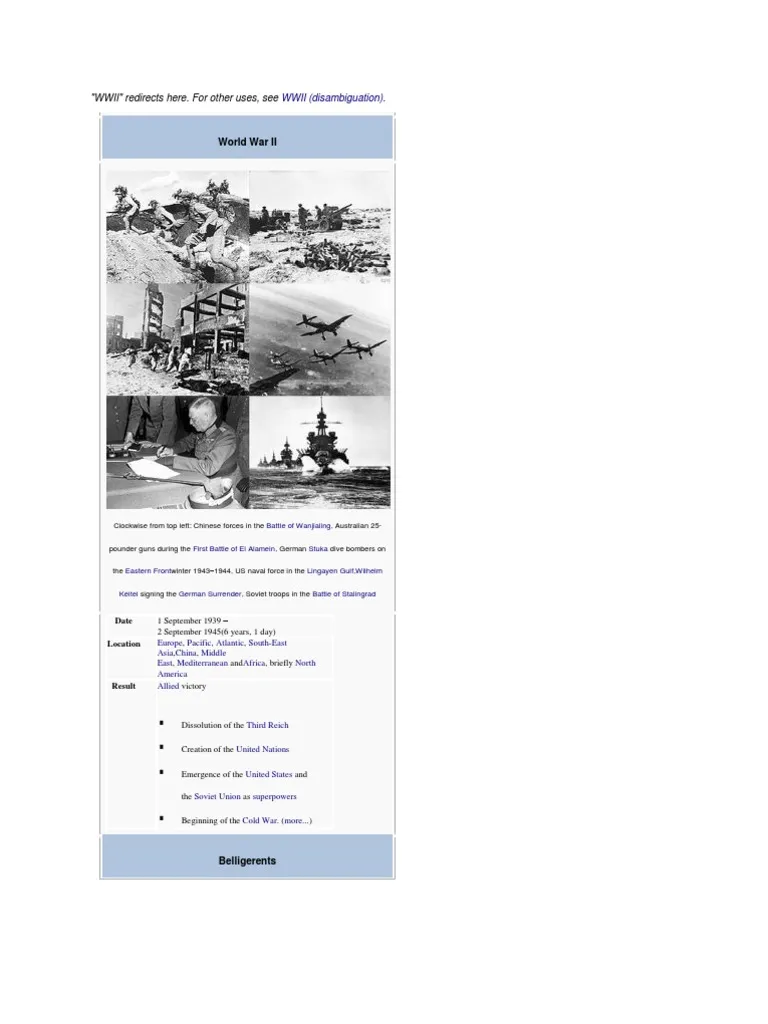 Photo: World War II, via imgv2-2-f.scribdassets.com
World War II transformed the piggy bank from a savings tool into a patriotic symbol. The U.S. government launched massive campaigns encouraging children to save money for war bonds, and the piggy bank became the official vessel for this effort. Schools distributed pig banks to students, encouraging them to fill them with coins that would eventually buy stamps toward war bonds.
Government posters showed children feeding coins to smiling pig banks under slogans like "Save for Victory" and "Every Penny Counts." The pig bank wasn't just teaching children to save — it was teaching them to participate in the war effort through financial discipline.
The Rubber Revolution
The wartime rubber shortage had an unexpected impact on piggy bank design. Traditional ceramic pig banks required cork or rubber stoppers to seal the coin slot, but rubber was needed for military equipment. Manufacturers solved this problem by designing pig banks that could only be opened by breaking them — creating the "break to open" piggy bank that became the American standard.
This design change had profound psychological effects. Breaking the bank to access savings became a significant decision rather than an impulse. Children had to really want or need their money to destroy their pig, which reinforced lessons about the permanence of spending decisions and the value of accumulated savings.
Building Financial Habits
By the 1950s, the piggy bank had become the first financial institution most American children encountered. Child development experts embraced pig banks as tools for teaching delayed gratification, goal-setting, and the relationship between saving and spending. The simple act of dropping coins into a pig taught children that money accumulates over time and that small amounts can grow into larger sums.
Banks began giving away piggy banks to encourage families to open children's savings accounts. The progression from pig bank to real bank account became a standard American childhood experience, creating generations of adults who associated pigs with financial responsibility and smart money management.
The Ceramic Teacher
Today, despite digital payments and virtual allowances, the piggy bank remains a fixture in American homes. Modern versions come in plastic, metal, and digital formats, but the pig shape persists as the universal symbol of childhood savings.
What started as medieval European pottery clay, evolved through a linguistic accident, and was shaped by American mass production and wartime necessity, became one of the most effective financial education tools ever created. The piggy bank taught millions of Americans their first lessons about money, patience, and the power of accumulating small amounts over time.
Every coin dropped into a pig bank connects a child to a tradition that spans centuries and continents — from pygg clay jars in medieval England to war bond campaigns in 1940s America. The pig shape might have been an accident, but its power to teach financial responsibility was very much intentional.