How Medieval Knights and Quaker Merchants Built America's $50 Billion Handshake Economy
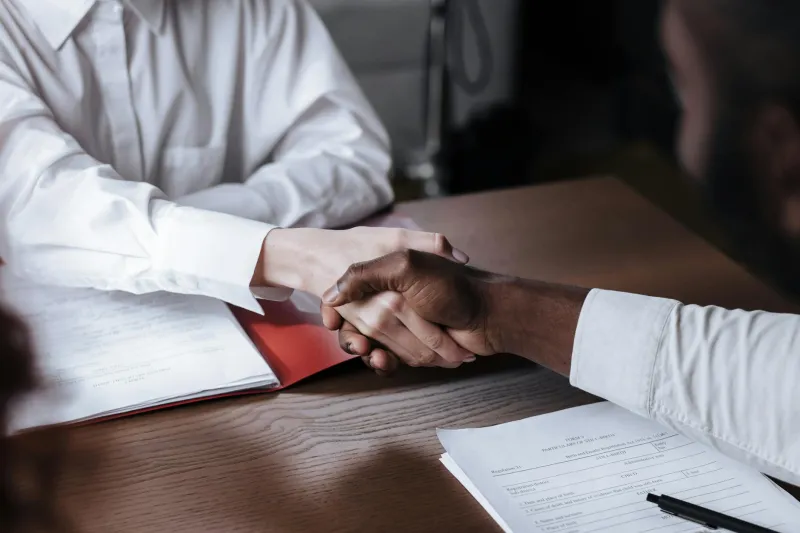
The Gesture That Started With Swords
Long before the handshake became the foundation of American business culture, medieval knights used it for a much simpler purpose: proving they weren't about to kill each other.
In an era where most interactions between strangers carried the possibility of violence, extending an empty right hand — the sword hand — was a universal sign of peaceful intent. The actual clasping and shaking motion helped ensure no weapons were concealed in sleeves or palms.
But the journey from medieval self-preservation to modern business ritual took an unexpected path through American religious outcasts and frontier chaos.
The Quaker Connection
By the 1600s, a radical Christian sect called the Quakers had transformed the handshake into something revolutionary: a symbol of equality. Unlike the elaborate bowing and hat-tipping that marked social hierarchies in European society, Quakers shook hands with everyone — rich or poor, noble or common.
This wasn't just social courtesy; it was theological rebellion. Quakers believed all people were equal before God, and their handshake reflected that principle. When William Penn founded Pennsylvania as a Quaker colony in 1682, he brought this egalitarian gesture with him.
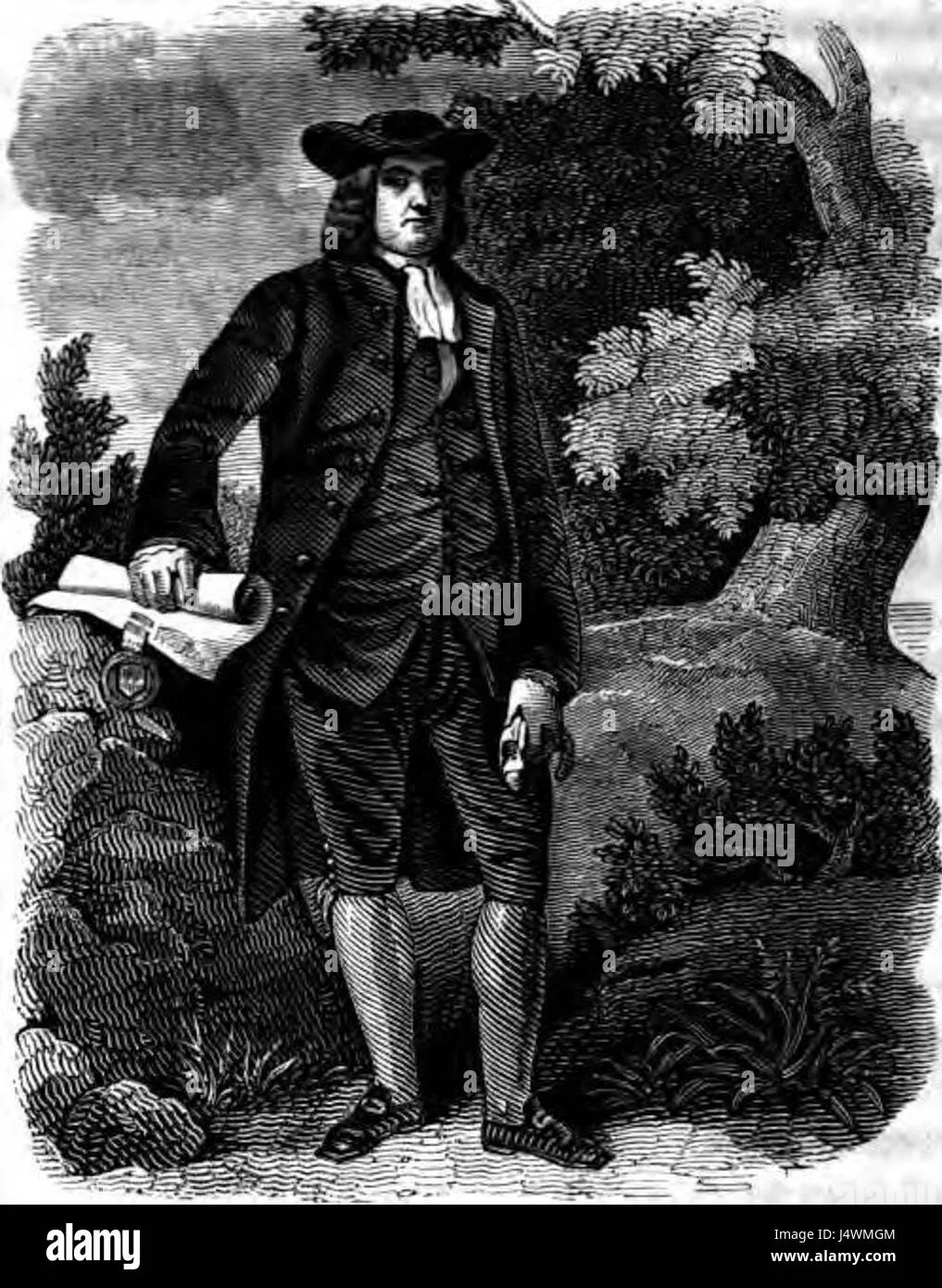 Photo: William Penn, via c8.alamy.com
What happened next would reshape American commerce: Quaker merchants discovered that their handshake culture gave them an unexpected business advantage.
The Trust Economy of Colonial America
In colonial America, business was personal in ways that seem impossible today. There were no credit reporting agencies, no corporate lawyers, and no standardized contracts. Success depended entirely on reputation and personal relationships.
Quaker merchants, with their emphasis on honesty and their habit of treating all customers equally, developed something invaluable: trust. Other colonists began seeking out Quaker traders because they knew a handshake deal with a Quaker would be honored.
This created a feedback loop. As Quaker merchants prospered, other American businessmen began copying their practices — including the handshake as a symbol of commitment to a deal.
Frontier Logic
The handshake's role in American business was cemented during westward expansion. On the frontier, written contracts were often impractical or impossible to enforce. Courts were hundreds of miles away, lawyers were scarce, and many settlers couldn't read.
But everyone understood a handshake.
Trading posts, cattle deals, and land transactions were routinely sealed with nothing more than a firm grip and direct eye contact. The handshake became the legal system of the American frontier — a portable court that traveled with every businessman.
Unlike in Europe, where written contracts and formal ceremonies marked important agreements, American commerce developed around the idea that a person's word, symbolized by their handshake, was their bond.
The Railroad Revolution
The handshake's dominance in American business was tested during the railroad boom of the 1800s. These massive infrastructure projects required unprecedented coordination between investors, contractors, and suppliers across vast distances.
Initially, railroad executives tried to formalize everything with written contracts and legal documentation. But they quickly discovered that the speed of American business development outpaced the legal system's ability to keep up.
Handshake deals became the norm even for million-dollar railroad contracts. A superintendent's word, confirmed with a handshake, could mobilize thousands of workers and redirect entire supply chains. The gesture that started with medieval knights had become the engine of American industrial expansion.
The Psychology of Physical Contact
By the early 1900s, American business culture had developed something unique: an economy built on physical contact between strangers. The handshake wasn't just a greeting; it was a psychological contract.
Business schools began teaching the "proper" handshake — firm but not crushing, accompanied by direct eye contact, lasting exactly 2-3 seconds. What had emerged organically from religious practice and frontier necessity was now being codified as essential business skill.
The handshake had become America's signature contribution to global business culture: a gesture that could seal deals worth millions while maintaining the pretense of folksy, personal relationships.
The Modern Handshake Economy
Today, the American handshake economy is worth an estimated $50 billion annually. From real estate transactions to sports contracts, millions of deals still begin with the same gesture that medieval knights used to prove they weren't carrying swords.
Even in our digital age, the handshake photo remains the standard way to announce business partnerships, mergers, and agreements. The physical gesture has become so embedded in American business culture that its absence — like during the COVID-19 pandemic — felt like a fundamental breakdown in how commerce operates.
The Gesture That Built America
The story of the American handshake reveals something profound about how business culture develops. What started as a medieval survival mechanism was transformed by religious outcasts into a symbol of equality, then adapted by frontier traders into a portable legal system.
Every time Americans shake hands to seal a deal, they're participating in a tradition that traces back through Quaker meeting houses and frontier trading posts to medieval battlefields. The gesture that once proved you weren't carrying a weapon became the foundation of a business culture built on personal trust — even when the stakes run into the millions.