The Penny Machine That Taught America to Trust Robots
The Radical Act of Feeding a Machine
Picture this: It's 1888, and you're standing on a busy New York elevated train platform. You drop a penny into a slot, turn a handle, and—if everything works correctly—a piece of gum drops out. No shopkeeper. No handshake. No human interaction at all.
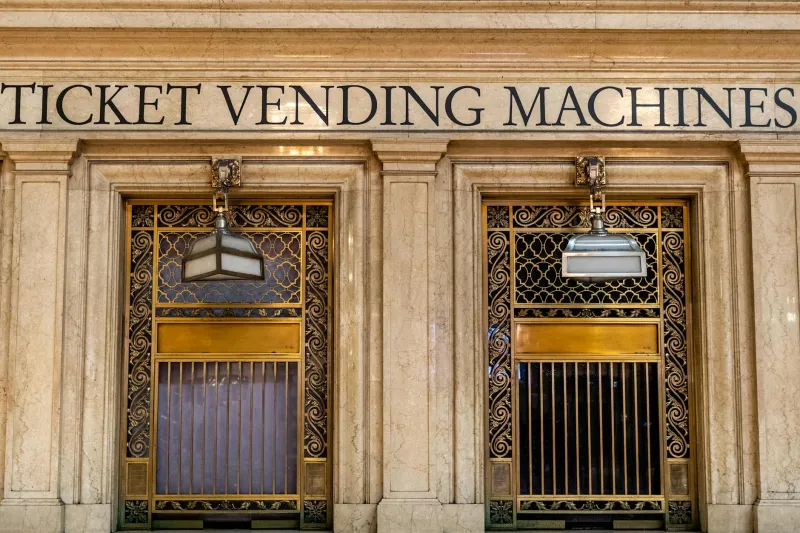
 Photo: New York, via wallpapers.com
For most Americans, this was their first encounter with a completely automated transaction. And it was genuinely weird.
"People would put their penny in, then stand there waiting for someone to appear," recalled Thomas Adams Jr., whose father's gum company operated some of the first vending machines in America. "They couldn't quite believe that a machine could just... give them something back."
But that simple penny-for-gum exchange was quietly teaching Americans something revolutionary: how to trust a machine with their money.
When Machines Were Still Magic
In the 1880s, most Americans had never seen anything more mechanically complex than a pocket watch or a sewing machine. The idea that you could insert money into a contraption and receive merchandise in return seemed almost magical.
Early vending machines were marvels of Victorian engineering—brass and cast iron mechanisms with intricate gear systems that could sort coins, verify their authenticity, and dispense products. They were displayed in hotel lobbies and train stations like mechanical curiosities, drawing crowds of fascinated onlookers.
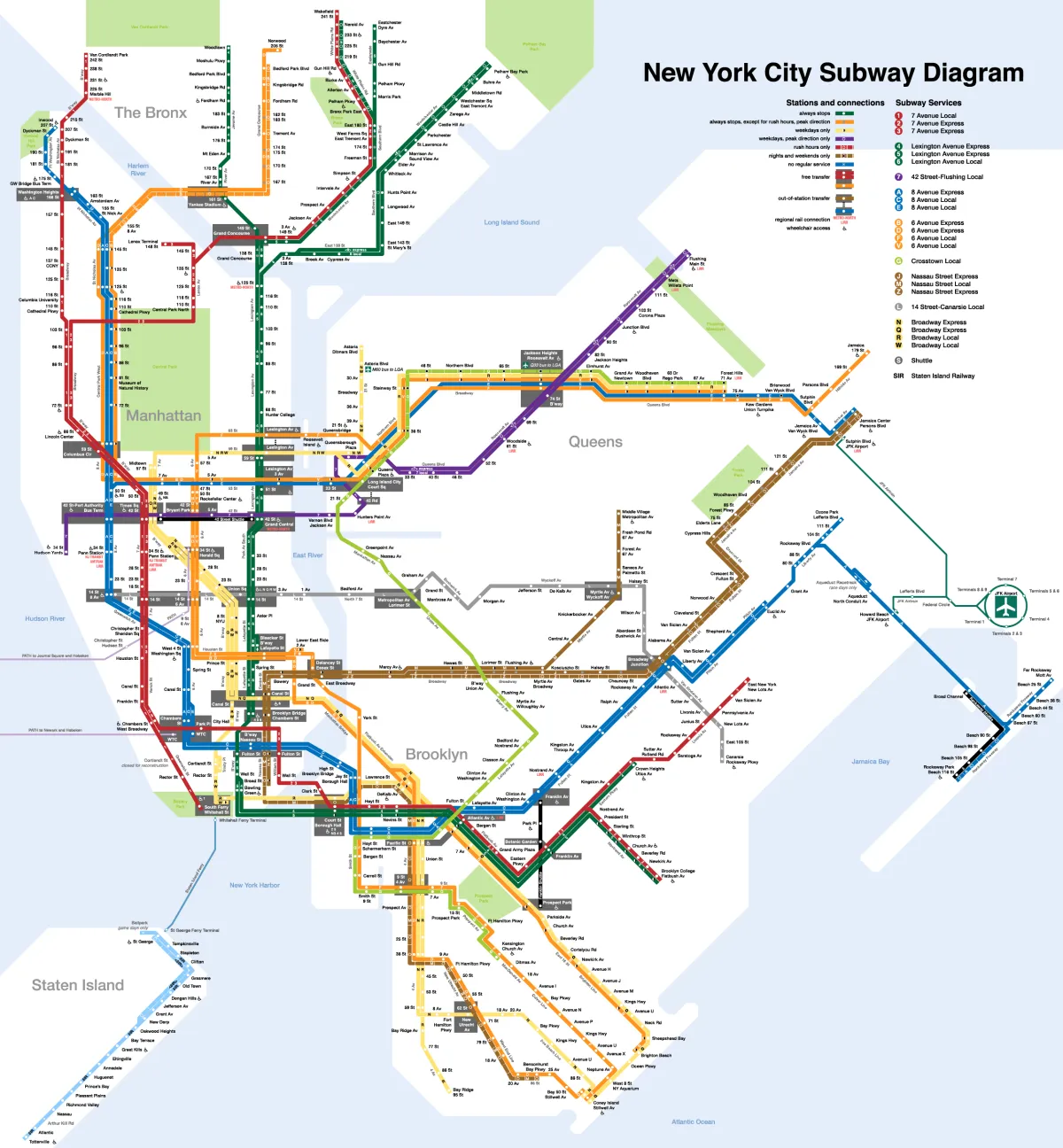 Photo: New York's subway system, via subwaystats.com
But they also represented something unprecedented in human commerce: a transaction with no human on the other side.
For thousands of years, buying something had meant interacting with another person—a merchant, a shopkeeper, a trader. You could negotiate, complain, or demand your money back. You could look someone in the eye and judge whether they seemed trustworthy.
Vending machines offered none of that comfort. They were pure mechanical transaction, take it or leave it.
The Trust Experiment
The first successful vending machines in America sold postcards, gum, and candy—small, low-risk purchases that cost just a penny or nickel. This wasn't accidental. Early vending machine operators understood that they were asking Americans to do something psychologically difficult: trust a machine with their money.
So they started small.
"If you lose a penny to a broken machine, you might be annoyed, but you'll probably try again," explains Dr. Sarah Mitchell, who studies consumer psychology at Northwestern University. "If you lose a dollar, you're never trusting a machine again."
Those penny transactions were essentially trust-building exercises. Each successful purchase—penny in, gum out—reinforced the idea that machines could be reliable partners in commerce.
By the 1890s, vending machines were selling everything from cigars to life insurance policies. Americans had learned to trust the mechanical transaction.
The Subway Revolution
The real breakthrough came with New York's expanding subway system. Suddenly, millions of Americans were rushing through underground stations where human-staffed shops were impractical. Vending machines filled the gap, selling newspapers, snacks, and subway tokens themselves.
"The subway system accidentally created the perfect environment for vending machine adoption," notes retail historian James Crawford. "People needed quick transactions in spaces where human retailers couldn't efficiently operate."
More importantly, the subway created a generation of Americans who were comfortable with automated transactions. Buying a subway token from a machine became as routine as buying a newspaper from a newsstand.
The psychological barrier had been crossed. Americans had learned to trust machines with their money, and they liked the convenience.
Beyond the Penny
Once Americans accepted the basic concept of the vending machine, entrepreneurs began pushing the boundaries. By the 1920s, there were vending machines that sold hot meals, fresh flowers, and even live bait for fishing.
The Horn & Hardart Automat restaurants took the concept to its logical extreme: entire meals dispensed from coin-operated machines behind glass doors. For many urban Americans, the Automat represented the future of dining—fast, efficient, and completely automated.
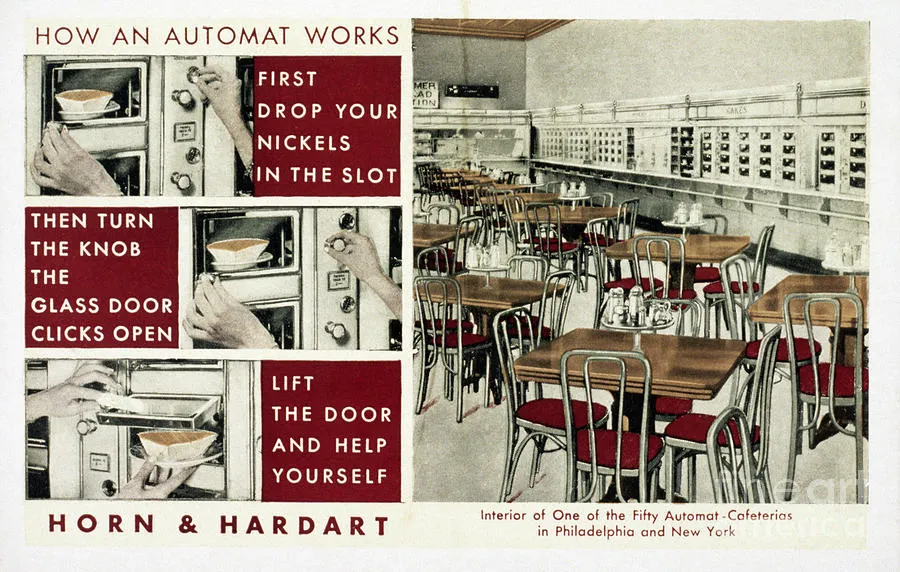 Photo: Horn & Hardart Automat, via images.fineartamerica.com
But the real innovation wasn't technological. It was psychological. Americans had learned to trust not just individual vending machines, but the entire concept of automated commerce.
The Foundation for Everything
That trust, first established by penny gum machines in the 1880s, became the foundation for every automated system Americans use today.
Parking meters? They're just vending machines that sell time instead of gum.
ATMs? Vending machines that dispense cash.
Online shopping? The same basic transaction—money in, product out—just with a screen instead of mechanical gears.
Even modern innovations like self-checkout stations and mobile payment apps rely on the fundamental psychological comfort with automated transactions that those first vending machines established.
The Lesson in the Slot
"Every time you tap your phone to pay for coffee or use a self-checkout scanner, you're participating in a form of commerce that Americans had to learn how to trust," says technology historian Dr. Robert Chen. "And we learned it one penny at a time, starting in the 1880s."
The vending machine operators who installed those first gum dispensers on New York train platforms weren't trying to revolutionize commerce or reshape consumer psychology. They were just trying to sell more gum in high-traffic locations.
But by making automated transactions routine, reliable, and rewarding, they accidentally taught Americans how to trust machines with money. That lesson turned out to be worth a lot more than a penny.
Today, as we debate the future of artificial intelligence, autonomous vehicles, and algorithmic decision-making, it's worth remembering that Americans' comfort with automated systems started with something much simpler: the radical act of dropping a penny into a slot and trusting that something good would happen.
Sometimes the most important revolutions begin with the smallest transactions.