The Messy Snack That Theater Owners Banned — Until It Saved Their Business
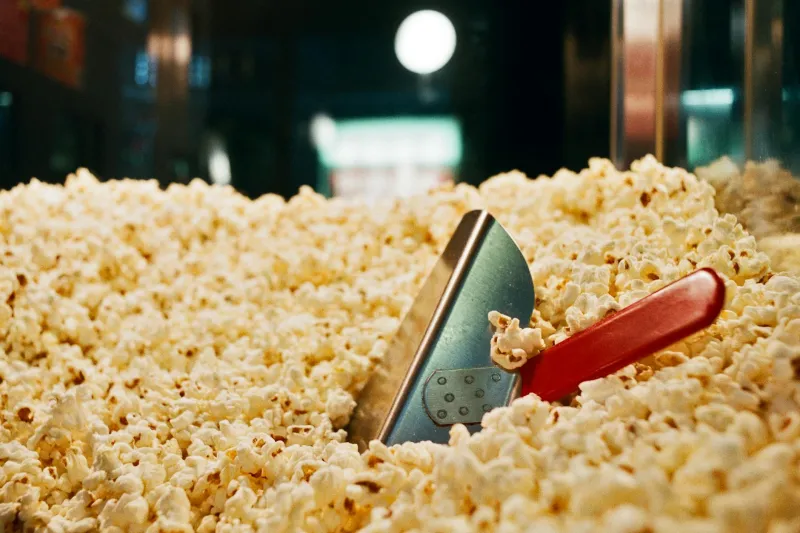
Walk into any movie theater today and the smell hits you before you even see the concession stand. That buttery, salty aroma of popcorn has become so synonymous with movies that it's hard to imagine one without the other. But for the first three decades of American cinema, theater owners fought tooth and nail to keep popcorn out of their venues.
The Silent Era's Snobbery
In the early 1900s, movies were a silent affair, and theater owners took that silence seriously. They modeled their venues after legitimate theaters and opera houses, complete with plush carpets, elegant décor, and an atmosphere of refined entertainment. Popcorn, with its loud crunching and inevitable mess of kernels scattered across those expensive carpets, was seen as the enemy of sophistication.
Theater owners weren't just being dramatic. Popcorn was genuinely disruptive to the silent film experience. Every crunch echoed through the theater, and the constant rustling of paper bags created a soundtrack that competed with the carefully orchestrated musical accompaniment. Many theaters posted signs explicitly banning food, and some even hired ushers whose primary job was to confiscate snacks at the door.
The snack was also associated with street vendors and carnival food — hardly the image that theater owners wanted to cultivate as they tried to establish cinema as a respectable art form. Popcorn was cheap, messy, and decidedly working-class, everything these early movie palaces were trying to avoid.
When Sound Changed Everything
The introduction of "talkies" in the late 1920s began to shift the dynamic. Suddenly, theaters were no longer temples of silence where every crunch was a sacrilege. The soundtracks and dialogue provided audio cover for snack consumption, but most theater owners still resisted. They had spent years building their reputations as upscale entertainment venues, and popcorn still felt like a step backward.
Meanwhile, enterprising street vendors had discovered something theater owners were blind to: moviegoers loved popcorn. Vendors would set up shop right outside theaters, selling fresh-popped corn to customers who would smuggle it inside. The irresistible smell would waft through theater lobbies, creating demand that owners refused to meet.
The Great Depression Changes Everything
Then came 1929, and the stock market crash that would reshape American entertainment forever. As unemployment soared and disposable income evaporated, theater owners watched their carefully cultivated middle-class audiences disappear. Ticket sales plummeted, and many venues faced closure.
Desperate times called for desperate measures. Theater owners who had spent years turning their noses up at popcorn suddenly found themselves eyeing those street vendors with new interest. The math was simple and compelling: popcorn cost pennies to make and could be sold for a significant markup. More importantly, it was one of the few luxuries that even cash-strapped Americans could still afford.
The first theater owners to embrace popcorn saw immediate results. Not only did concession sales provide a crucial revenue stream, but the smell of popping corn actually drew customers into theaters. The aroma became a form of advertising, a sensory signal that said "entertainment this way."
From Survival Strategy to Business Model
What started as a Depression-era survival strategy quickly evolved into something much bigger. Theater owners discovered that popcorn wasn't just profitable — it was incredibly profitable. The markup on popcorn was enormous, often 1000% or more. A bag that cost five cents to make could sell for fifty cents or more, providing margins that ticket sales could never match.
By the mid-1930s, theaters weren't just tolerating popcorn; they were building their business models around it. Concession stands became architectural focal points, strategically placed to ensure every customer had to walk past them. The smell of popping corn was no longer an accident but a carefully managed marketing tool.
Theater owners also realized that popcorn solved another problem: it kept audiences in their seats longer. Unlike other snacks that might send moviegoers to nearby restaurants, popcorn was specifically designed to be consumed during the show. It was the perfect theater food — engaging enough to enhance the experience but not so demanding that it distracted from the film.
The Modern Concession Empire
Today, that desperate Depression-era decision has evolved into a massive industry. Modern movie theaters typically make more profit from concessions than from ticket sales, with popcorn leading the charge. The average movie theater markup on popcorn is still around 1000%, making it one of the most profitable food items in America.
The relationship between popcorn and movies has become so embedded in American culture that it's influenced everything from home entertainment to streaming service marketing. The phrase "Netflix and chill" might be modern, but the underlying concept — pairing entertainment with snacks — traces directly back to those Depression-era theater owners who swallowed their pride and embraced the mess.
The Smell of Success
What makes this transformation particularly remarkable is how completely it reversed the original relationship. Popcorn went from being seen as the enemy of good cinema to being its essential companion. That smell that once horrified theater owners is now pumped through ventilation systems as a deliberate marketing strategy.
The rejected candy that theater owners once banned didn't just become accepted — it became the foundation of an entire business model. Today's movie theaters aren't really in the movie business; they're in the popcorn business that happens to show films. And it all started with desperate owners during the Great Depression who discovered that sometimes the thing you're trying to keep out is exactly what you need to survive.