The Telegraph Operator Who Got Tired of Shouting Numbers and Accidentally Built Wall Street

The Problem With Shouting Money
Walk into any trading floor today and you'll see screens everywhere — digital displays showing stock prices, market movements, and financial data streaming in real time. But before computers, before television, before radio, there was just shouting. Lots and lots of shouting.
In 1867, the New York Stock Exchange was a cacophony of voices. Clerks would receive telegraph messages with stock prices from around the country, then literally yell the information across the trading floor to brokers and dealers. In a room full of hundreds of people conducting business, important financial information was getting lost in the noise.
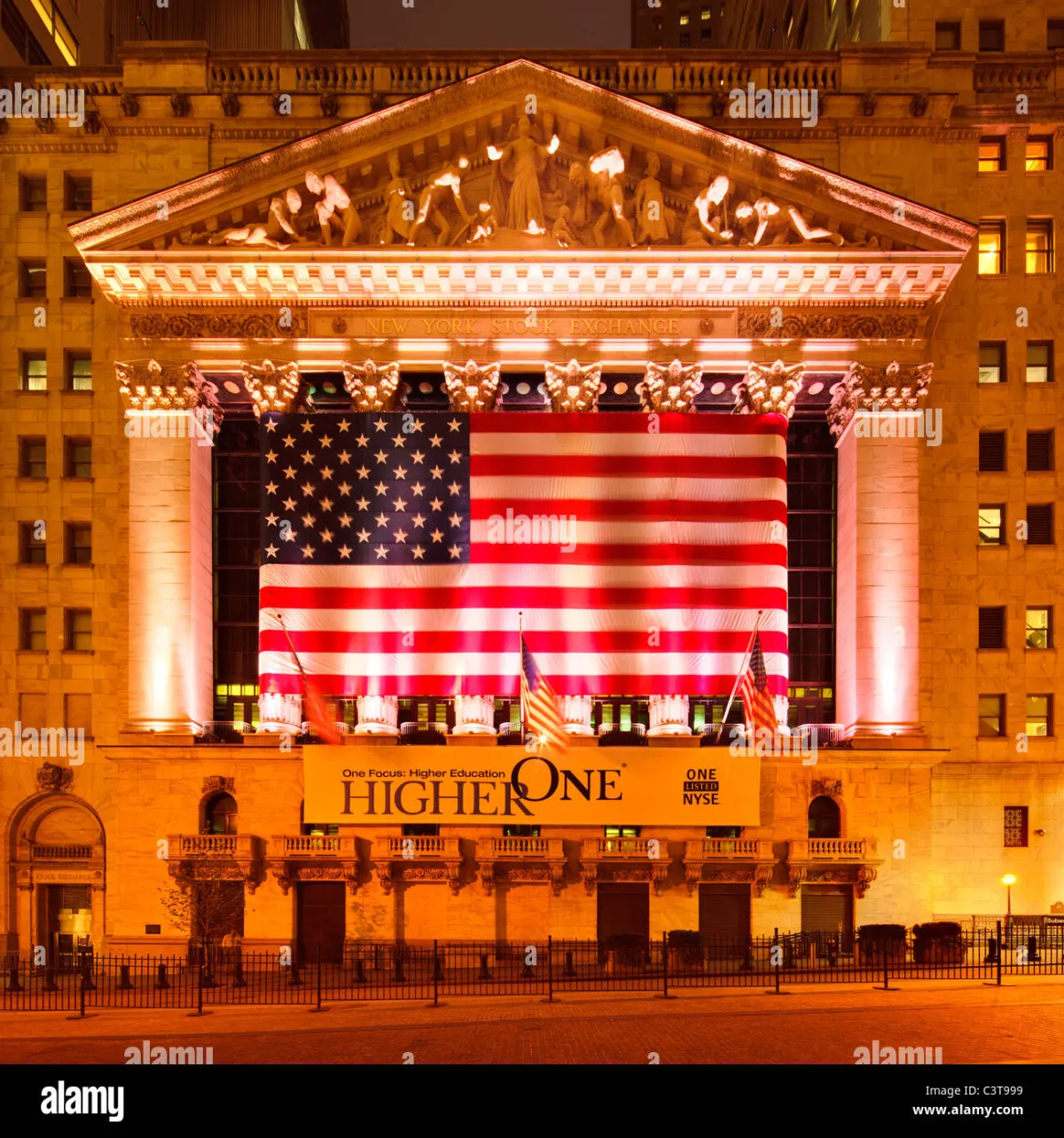 Photo: New York Stock Exchange, via c8.alamy.com
Edward Calahan, a telegraph operator working for the Gold and Stock Telegraph Company, was getting a headache. Every day, he watched crucial stock prices get garbled, misheard, or completely missed because human voices simply couldn't cut through the chaos of the trading floor.
The Mechanical Solution Nobody Asked For
Calahan's solution was elegantly simple: instead of shouting numbers, why not print them? He modified a standard telegraph receiver to automatically print incoming stock prices on a continuous strip of paper. The device was compact enough to sit on a desk, quiet enough to work in a noisy room, and reliable enough to operate for hours without human intervention.
He called it the "stock printing telegraph," but everyone else called it the "ticker" because of the distinctive ticking sound the printing mechanism made. The first ticker tape machine was installed at the New York Stock Exchange in November 1867.
The impact was immediate. Instead of straining to hear shouted prices across a crowded room, traders could simply glance at the paper strip emerging from their ticker machine. Prices were accurate, timestamped, and permanent — creating the first reliable record of real-time market movements.
The Ribbon That Connected America
What Calahan couldn't have predicted was how quickly his simple communication fix would reshape American finance far beyond the trading floor. Within months, ticker machines were being installed in banks, brokerage houses, and financial offices across the country. For the first time in American history, a farmer in Kansas could know the exact price of wheat in Chicago within minutes of a trade.
The ticker tape created something unprecedented: a shared, simultaneous financial reality across the entire country. Before ticker tape, stock prices were local information — you knew what was happening in your city, maybe your region. After ticker tape, financial markets became truly national.
This connectivity had profound effects on how Americans thought about money and investment. Suddenly, financial markets weren't abstract concepts happening somewhere else — they were visible, immediate, and accessible. The ticker tape made the stock market feel real to ordinary people in a way that newspaper reports never could.
The Language of Wealth
The visual format of ticker tape — company symbols followed by price numbers — became the standardized language of American finance. Those abbreviated company names, originally shortened to save space on narrow paper strips, evolved into the stock symbols still used today. General Electric became GE, American Telephone and Telegraph became T, and so on.
More importantly, the constant stream of numbers created a new way of thinking about wealth. Before ticker tape, investments were long-term commitments — you bought stock and checked on it occasionally. After ticker tape, wealth became something that fluctuated minute by minute, something you could watch in real time.
This shift in perception laid the groundwork for modern trading psychology. The idea that you could track your net worth throughout the day, that financial success could be measured in real-time price movements, that markets were something to be watched rather than simply participated in — all of these concepts emerged from Calahan's solution to a noisy room problem.
From Trading Floors to Living Rooms
By the 1920s, ticker tape had become so central to American financial culture that brokerage houses began installing ticker machines in their customer areas, allowing individual investors to watch their stocks move throughout the day. This created the first generation of Americans who thought of investing as entertainment — people would gather around ticker machines like they might gather around a radio.
The famous ticker-tape parades in New York City, where shredded ticker tape was thrown from office windows to celebrate heroes and victories, turned Calahan's practical invention into a symbol of American prosperity and celebration. The paper strips that had solved a communication problem became confetti for the American dream.
The Digital Echo
When electronic displays began replacing ticker machines in the 1960s, they maintained the visual format Calahan had established: scrolling text showing company symbols and prices. Today's financial apps, with their endless streams of real-time stock quotes, are direct descendants of that first ticker machine.
Every time you check a stock price on your phone, you're participating in the information system that Edward Calahan created to solve a simple workplace problem. The format is the same, the symbols are the same, and the psychological impact — the ability to watch wealth fluctuate in real time — remains exactly what that telegraph operator accidentally created when he got tired of shouting numbers across a noisy room.
The ticker tape machine operated for nearly a century before being replaced by electronic systems, but its real legacy isn't technological — it's cultural. Calahan's invention taught Americans to think of financial markets as immediate, visible, and constantly changing, creating the foundation for how we still interact with money and investments today.