The War Bond Nobody Wanted That Quietly Built America's Retirement Culture

When Wall Street Said No, Main Street Said Yes
In 1935, Treasury Secretary Henry Morgenthau Jr. had a problem. The United States needed to fund its growing military preparations, but traditional investors weren't biting. Banks found the proposed war bonds too small-scale and unprofitable. Investment firms dismissed them as financial toys. Even seasoned economists scoffed at the idea that regular Americans would voluntarily lock up their money for years at modest returns.
 Photo: Wall Street, via www.wallstreetmojo.com
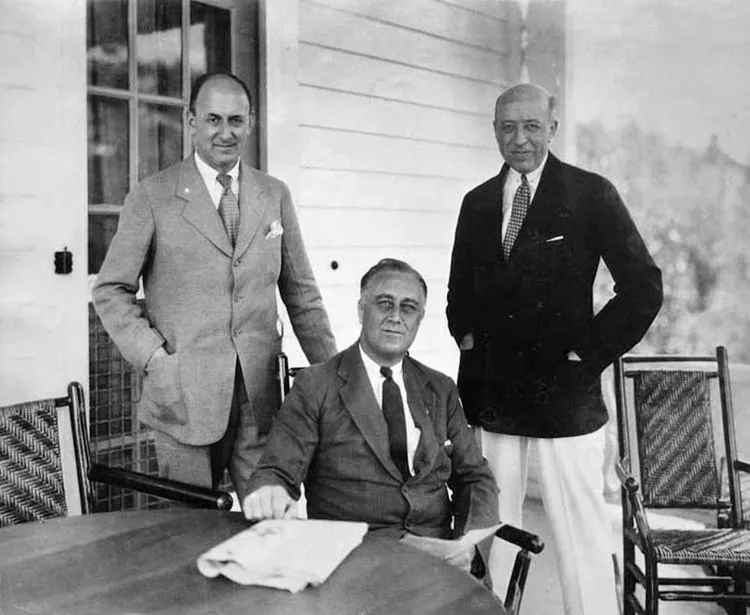 Photo: Henry Morgenthau Jr., via alchetron.com
So Morgenthau did something unprecedented: he bypassed Wall Street entirely and took his pitch directly to factory workers, schoolteachers, and shop clerks.
The Penny Drive That Changed Everything
The first U.S. Savings Bonds weren't marketed as sophisticated investment vehicles. They were sold as patriotic duty—and more importantly, as something so simple that anyone could understand them. For as little as $18.75, an American could buy a $25 bond that would mature in ten years. No complex terms, no hidden fees, no minimum account balances.
The Treasury Department launched an unprecedented grassroots campaign. They convinced employers to offer payroll deductions, turning bond purchases into an automatic habit. They organized school drives where children could buy stamps for quarters and dimes, slowly building toward their first bond. They plastered movie theaters with advertisements showing ordinary families securing their futures, one small purchase at a time.
What financial experts had predicted would be a spectacular failure became something else entirely: the first time in American history that millions of working-class families began thinking of themselves as investors.
The Accidental Psychology Experiment
Without realizing it, the Treasury Department had stumbled onto a revolutionary idea. By making bonds accessible, automatic, and tied to small, regular payments, they were rewiring how Americans thought about money and time.
Before savings bonds, long-term financial planning was largely the domain of the wealthy. Working families lived paycheck to paycheck, and any extra money typically went into bank accounts or under mattresses—if they had extra money at all. The concept of deliberately sacrificing current spending for a future payout was foreign to most Americans.
But the bond program made this abstract concept concrete. Suddenly, a factory worker could see their $18.75 turn into $25. A teacher could watch small payroll deductions accumulate into something substantial. Children could literally watch their quarters grow into dollars.
From Wartime Emergency to Retirement Revolution
When World War II ended, everyone expected the savings bond program to disappear. Instead, something remarkable happened: Americans kept buying them.
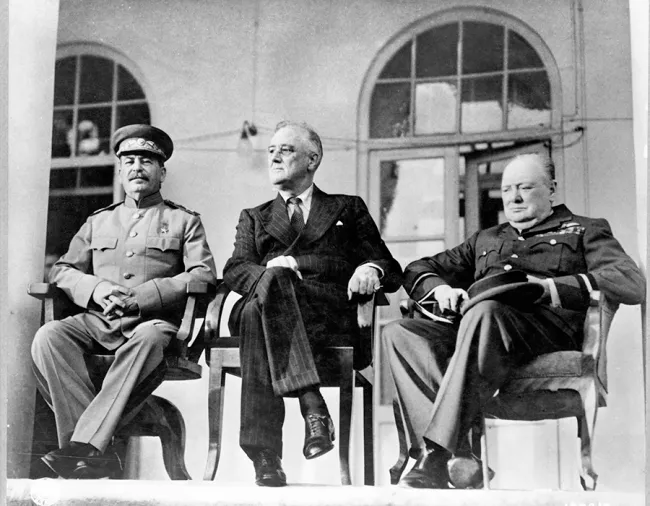 Photo: World War II, via www.nationalww2museum.org
The habits formed during wartime had taken root. Millions of families had experienced, for the first time, the psychological satisfaction of watching small investments grow into meaningful money. They had learned that they didn't need to be rich to make their money work for them.
By the 1950s, one in four American families owned savings bonds. The program that financial experts had dismissed as too simple had quietly created a generation of amateur investors who understood compound interest, long-term thinking, and delayed gratification.
The Template for Modern America
The savings bond model established patterns that would reshape American finance for decades. The idea of automatic payroll deductions became the foundation for employer-sponsored retirement plans. The concept of small, regular investments would later fuel the mutual fund industry. The notion that ordinary people should actively plan for their financial futures became a cornerstone of American culture.
Even today's 401(k) plans echo the original savings bond strategy: make investing automatic, keep it simple, and appeal to people's desire to take control of their own destiny.
The Legacy Nobody Planned
What started as a desperate wartime fundraising scheme accidentally taught Americans one of the most important financial lessons in the country's history: that building wealth wasn't about getting rich quick or having specialized knowledge. It was about starting small, being consistent, and thinking beyond next month's bills.
The Treasury Department never set out to revolutionize American attitudes toward personal finance. They just needed to raise money for the war effort when traditional funding sources fell through. But in solving that immediate problem, they created something much more lasting: the idea that every American family could—and should—be investors in their own future.
Today, as financial apps promise to help Americans save and invest with the same simplicity that savings bonds once offered, it's worth remembering that this entire culture began with a rejected toy that nobody wanted—until everyone did.