When War Rationing Accidentally Made Birthday Cakes an American Tradition
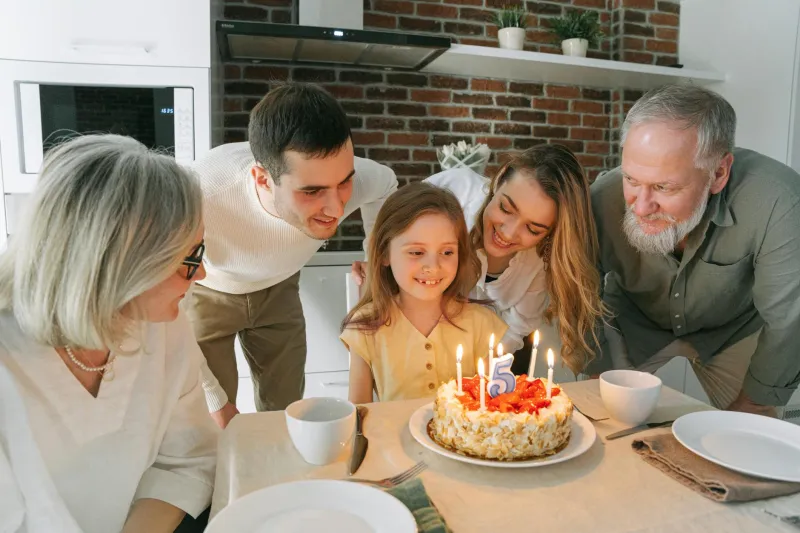
The Birthday That Changed Everything
Every year, millions of American families gather around elaborately frosted layer cakes, singing "Happy Birthday" before blowing out candles. The scene feels timeless, almost sacred in its familiarity. But the towering, frosting-covered birthday cake that defines American celebrations today isn't an ancient tradition — it's the accidental byproduct of World War II rationing policies that forced an entire industry to reinvent itself.
Before the 1940s, birthday cakes were simpler affairs. Wealthy families might commission elaborate confections from professional bakers, but most Americans marked birthdays with basic cakes, if they celebrated with cake at all. The transformation from occasional luxury to cultural necessity happened because of an unlikely catalyst: government-mandated sugar shortages that forced bakers to get creative.
When Sugar Became Scarce
On December 7, 1941, Pearl Harbor changed everything about American life — including what went on birthday tables. By 1942, the War Production Board had implemented strict rationing of sugar, butter, eggs, and white flour. Suddenly, the ingredients that made traditional cakes possible were either unavailable or strictly limited.
 Photo: Pearl Harbor, via cdn.britannica.com
For commercial bakeries, this created an existential crisis. How do you make cakes when you can't get sugar? The answer came from an unexpected source: industrial food scientists who had been experimenting with artificial sweeteners and shelf-stable ingredients since the 1930s. The war didn't create these innovations — it made them essential.
The Rise of the Mix
General Mills had been quietly developing cake mixes since 1930, but they struggled to find a market. American women took pride in baking from scratch, viewing pre-made mixes as inferior shortcuts. The war changed that calculation overnight. When sugar and butter disappeared from store shelves, suddenly those experimental mixes became lifelines.
 Photo: General Mills, via cdn.crowdfundinsider.com
The breakthrough came when manufacturers realized they could create consistent results with rationed ingredients by precisely controlling measurements and using sugar substitutes. Betty Crocker's cake mixes, launched nationwide in 1947, weren't just convenient — they were often better than what home bakers could achieve with limited wartime ingredients.
 Photo: Betty Crocker, via www.conaxesstrade.com
The Frosting Revolution
But the real transformation happened with frosting. Traditional buttercream required massive amounts of butter and sugar — both heavily rationed during the war. Food scientists responded by developing alternatives: vegetable shortening-based frostings, artificial flavoring systems, and stabilizers that could create the smooth, pipeable textures that professional bakers achieved.
These wartime substitutes had an unexpected advantage: they were more stable than traditional frostings, easier to work with, and could hold elaborate decorations that would have melted or collapsed with butter-based alternatives. Suddenly, home bakers could create the kind of decorated cakes that had previously required professional training.
The Suburban Birthday Boom
When the war ended and rationing lifted, something interesting happened. Instead of returning to simple, pre-war birthday traditions, Americans embraced the elaborate cake culture that wartime innovation had made possible. The reasons were cultural as much as culinary.
The post-war suburban boom created new social pressures around entertaining and family celebrations. Birthday parties became opportunities for mothers to demonstrate domestic skills and for families to showcase prosperity after years of wartime sacrifice. The decorated layer cake — now achievable with grocery store mixes and improved frostings — became the perfect vehicle for these aspirations.
The Industry That Sugar Built
By the 1950s, birthday cake culture had created an entire industry. Duncan Hines, Pillsbury, and Betty Crocker weren't just selling convenience — they were selling the tools for a new American tradition. Cake decorating became a hobby, then an art form, then a competitive sport broadcast on television.
The numbers reflect this transformation. Americans now consume approximately 2 billion pounds of cake mix annually, with birthday celebrations driving a significant portion of that demand. The cake decorating industry alone generates over $4 billion yearly, supporting everything from neighborhood bakeries to elaborate custom cake businesses.
The Unexpected Psychology of Celebration
What's remarkable is how quickly this wartime adaptation became emotionally essential. Within a generation, the elaborate birthday cake shifted from luxury to expectation. Children who grew up with post-war birthday cakes couldn't imagine celebrations without them. The frosted layer cake became shorthand for love, attention, and family celebration.
This transformation reveals something profound about American culture: how quickly practical adaptations can become emotional traditions. The elaborate birthday cake wasn't imposed by marketers or mandated by custom — it emerged organically from families trying to celebrate during difficult times with whatever tools they had available.
The Modern Legacy
Today's birthday cake culture — complete with multiple layers, elaborate decorating, and the expectation that every birthday deserves a "special" cake — traces directly back to those wartime innovations. The techniques developed to work around sugar rationing became the foundation for modern cake decorating. The shelf-stable mixes created to conserve scarce ingredients became the basis for a multi-billion-dollar industry.
Walk through any grocery store's baking aisle and you're seeing the legacy of World War II food science: dozens of cake mix varieties, an entire wall of frosting options, and decorating supplies that would have amazed pre-war bakers. What began as wartime necessity became peacetime tradition.
From Shortage to Celebration
The next time you watch someone blow out candles on an elaborately decorated birthday cake, remember that you're witnessing the evolution of crisis into culture. The American birthday cake tradition isn't ancient — it's barely 80 years old, born from the collision between wartime rationing and human ingenuity.
It's a reminder that some of our most cherished traditions aren't timeless at all. They're the unexpected results of people adapting to extraordinary circumstances, finding ways to maintain celebration and connection even when the familiar tools aren't available. Sometimes the most lasting changes come not from abundance, but from learning to create joy with whatever we have on hand.