When Factory Whistles Invented the American Lunch Hour
The Day America Stopped for Lunch
Walk into any office building at noon today, and you'll witness a ritual so ingrained in American culture that questioning it seems absurd. Elevators fill with workers clutching brown bags and heading to break rooms. Restaurants brace for the lunch rush. An entire economy revolves around that sacred hour between 12 and 1 PM.
But this wasn't always the case. Before the 1840s, the concept of a designated "lunch break" simply didn't exist in America.
When Americans Ate Whenever They Could
In pre-industrial America, meals followed the rhythms of agricultural life and artisan work. Farmers ate substantial breakfasts before dawn, carried food to the fields, and consumed their largest meal in the early afternoon when work naturally paused during the hottest part of the day. Craftsmen and shopkeepers nibbled throughout their workday, stopping only when hunger demanded or customers allowed.
The very word "lunch" was considered somewhat vulgar—a casual term for a quick bite between proper meals. Respectable Americans spoke of "dinner" (the main midday meal) and "supper" (the evening meal). The idea of synchronizing an entire workforce's eating schedule was as foreign as synchronizing their sleep.
The Whistle That Changed Everything
The Industrial Revolution shattered these flexible eating patterns. As factories sprouted across New England in the 1840s and 1850s, thousands of workers found themselves bound to the rhythms of machinery rather than agriculture. Factory whistles marked the beginning and end of shifts, and for the first time in American history, large groups of people needed to eat at exactly the same time.
This created an immediate problem: what could workers eat quickly, cleanly, and without leaving their posts for extended periods?
The answer came from an unlikely source—a sandwich that food critics initially dismissed as crude and unsophisticated.
The Portable Revolution Between Two Slices
The sandwich had existed since the Earl of Sandwich popularized it in 18th-century England, but it remained largely a novelty for gamblers and aristocrats who needed to eat without interrupting their activities. American workers, however, discovered something revolutionary about this simple combination of bread, meat, and perhaps a slice of cheese: it was the perfect factory food.
Unlike the elaborate midday dinners of agricultural society, sandwiches required no utensils, no heating, and no clean-up. Workers could eat them in fifteen minutes and return to their machines. More importantly, they could be prepared at home and transported without spoilage—crucial for workers who lived too far from factories to return home for traditional meals.
How Sliced Bread Built the Lunch Break
The sandwich revolution accelerated with technological advances that seem mundane today but were transformative in the 1880s and 1890s. Commercial bakeries began producing uniform loaves of bread, making sandwich preparation more consistent. The development of better preservation methods for meats meant that ham, turkey, and beef could be safely transported and stored.
Most crucially, the rise of company-provided lunch rooms gave workers a designated space and time to consume their portable meals. What started as a practical necessity—feeding factory workers efficiently—gradually evolved into a social institution.
The Birth of Lunch Culture
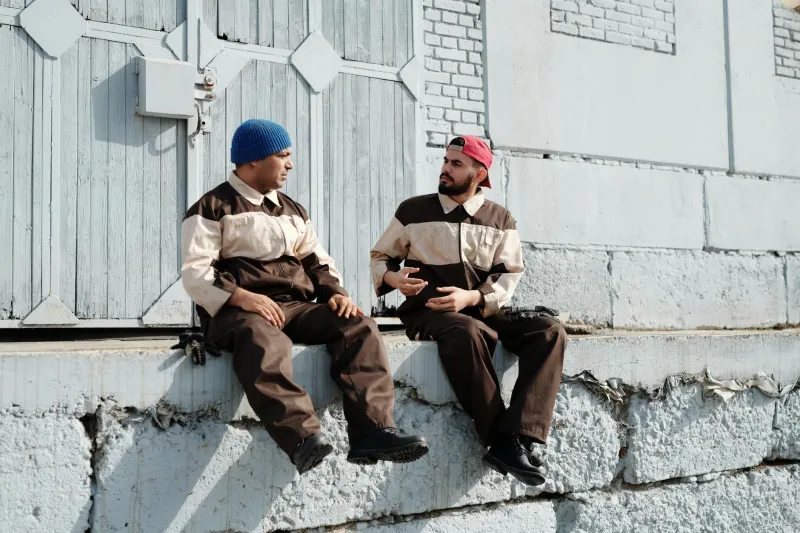
By the early 1900s, the lunch break had become more than just fuel for the afternoon shift. It transformed into a social ritual that defined American workplace culture. Workers gathered to discuss news, politics, and gossip. Friendships formed over shared meals. The lunch room became the unofficial heart of American factories and, later, offices.
This social aspect proved so valuable that when labor unions began pushing for worker rights in the early 20th century, the lunch break was one of their key demands. What had started as an industrial convenience became a legally protected right.
From Factory Floor to Corner Office
The concept spread beyond manufacturing as America urbanized. Office workers adopted the factory schedule, creating the business lunch culture that would define mid-20th century corporate America. Restaurants redesigned their operations around the noon rush. Entire industries—from food trucks to corporate catering—emerged to serve this new market.
The humble sandwich, once rejected by food purists as too simple, had quietly restructured American society. It created the lunch break, which created lunch culture, which created a multi-billion dollar industry that touches every working American's daily life.
The Legacy of Industrial Eating
Today, as remote work and flexible schedules challenge traditional office culture, the lunch break faces its biggest transformation since the Industrial Revolution. Yet its impact remains embedded in American life—from labor laws that guarantee meal breaks to the restaurant industry's dependence on midday traffic.
The next time you unwrap a sandwich at your desk or meet colleagues for lunch, remember: you're participating in a ritual that began not with sophisticated culinary tradition, but with factory whistles and the simple need to feed workers quickly. Sometimes the most ordinary things have the most extraordinary power to reshape society—one bite at a time.