When Nobody Wanted Gum: The Subway Machines That Accidentally Built America's Vending Empire
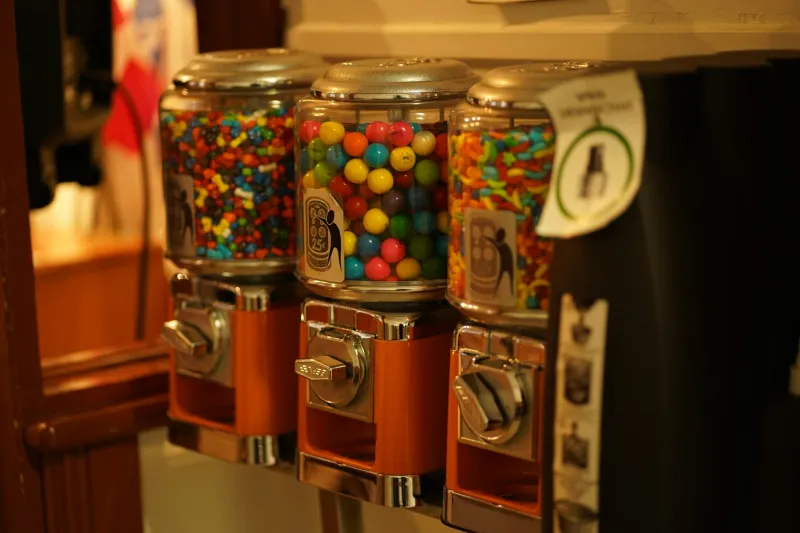
Walk through any office building, school, or hospital in America today, and you'll find them humming quietly in corners: vending machines dispensing everything from sodas to smartphones. We feed them coins and bills without thinking twice, trusting these metal boxes with our money in exchange for instant gratification.
But rewind to the 1880s, and this entire relationship would have seemed absurd. Americans didn't trust machines with their money, and they certainly didn't want what the first vending machines were selling.
The Gum Nobody Wanted
In 1888, Thomas Adams — the same man who had helped popularize chewing gum in America — faced a problem. His product was gaining traction, but slowly. Victorian society still viewed gum chewing as crude and unrefined, something done by working-class immigrants and children, not respectable Americans.
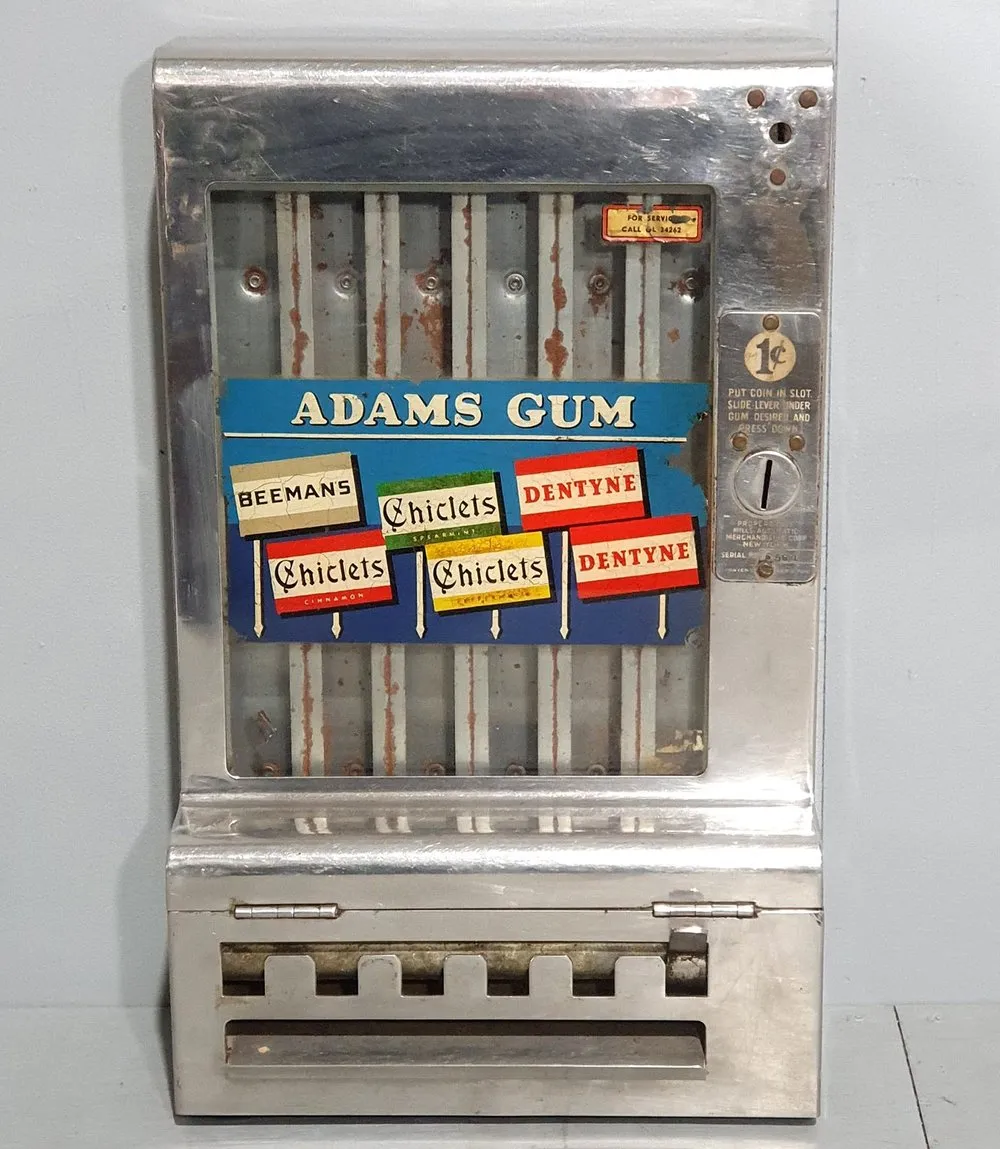 Photo: Thomas Adams, via images.squarespace-cdn.com
Meanwhile, the concept of coin-operated machines was equally suspect. A few entrepreneurs had experimented with automated dispensers in England, but Americans remained skeptical. The idea of putting money into a machine and trusting it to deliver anything seemed like an invitation to be cheated.
Adams decided to combine these two questionable concepts. He installed the first commercial vending machines on elevated train platforms in New York City, selling single sticks of Tutti-Frutti gum for a penny each.
 Photo: New York City, via wallup.net
The machines were simple affairs — basically wooden boxes with coin slots and mechanical dispensers. But they solved a real problem that Adams hadn't initially considered: impulse purchasing in high-traffic areas where traditional retail wasn't practical.
The Accidental Psychology Experiment
What Adams discovered by accident was that vending machines changed the entire psychology of buying. In a store, purchasing gum required asking a shopkeeper for a product many still considered inappropriate. The social friction was real.
But a machine? A machine didn't judge. It didn't raise eyebrows or make customers feel self-conscious about their choices. The anonymity of automated purchasing removed the social barriers that had been limiting gum sales.
Within months, Adams' subway machines were generating steady revenue. More importantly, they were normalizing both gum consumption and the concept of trusting machines with money. Commuters who initially approached the contraptions with suspicion began using them routinely.
From Novelty to Infrastructure
The success didn't go unnoticed. By the 1890s, entrepreneurs across the country were installing similar machines in train stations, post offices, and busy street corners. The products expanded beyond gum to include postcards, perfume, and even hot food.
The 1893 World's Fair in Chicago featured an entire pavilion dedicated to automatic merchandising, showcasing machines that could dispense everything from fresh flowers to cooked eggs. What had started as Adams' solution to a gum marketing problem was becoming a new retail category.
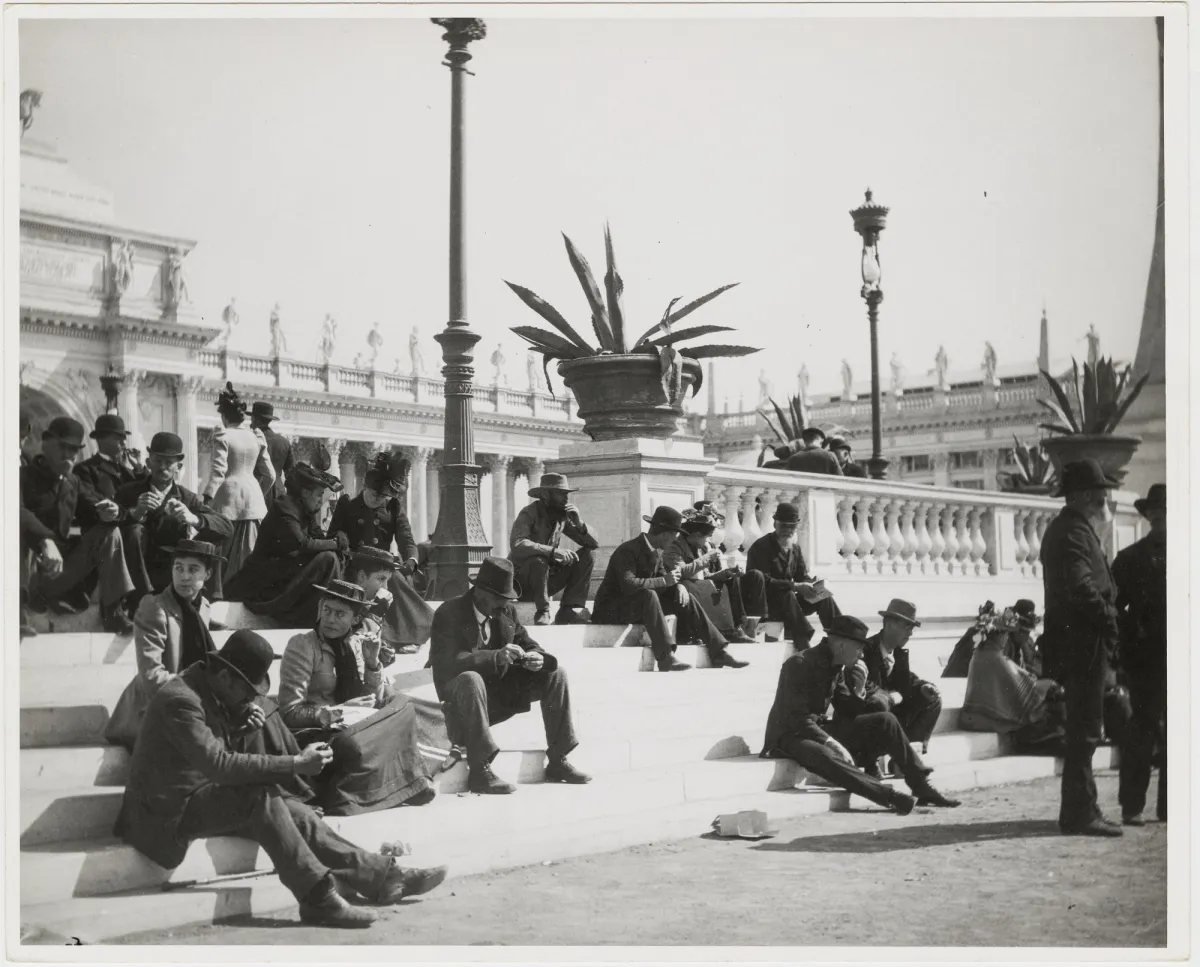 Photo: 1893 World's Fair in Chicago, via www.chicagohistory.org
But the real transformation happened gradually, almost invisibly. As more Americans encountered vending machines in their daily routines, the concept of automated retail stopped being novel and started being normal. The machines became part of the infrastructure of American life.
The Trust Revolution
Perhaps the most significant change was cultural. Adams' gum machines had accidentally taught Americans to trust automated transactions. This wasn't just about candy or convenience — it was about fundamentally altering how people related to commerce.
By the early 1900s, vending machines were handling millions of small transactions across the country. Americans had learned to expect machines to work reliably, to give correct change, and to deliver what they promised. This trust would later prove essential for everything from parking meters to ATMs to online shopping.
The psychological shift was profound. A generation of Americans grew up assuming that machines could be reliable commercial partners, not just tools operated by humans.
Building Today's Automated World
The infrastructure Adams created for his unwanted gum evolved into something much larger. Today's vending machine industry generates over $8 billion annually in the United States alone, with machines dispensing everything from pizza to prescription drugs.
But the real legacy isn't the machines themselves — it's the trust relationship they established. Every time you use a self-checkout scanner, buy something online, or tap your card at a payment terminal, you're participating in a commercial culture that traces back to those first gum dispensers on New York subway platforms.
The technology has evolved dramatically, but the fundamental transaction remains the same: Americans putting money into machines and trusting them to deliver what they promise.
The Gum That Built America's Robot Economy
Adams never intended to revolutionize retail. He just wanted to sell more gum to people who were embarrassed to buy it face-to-face. But by solving that narrow problem, he accidentally created the template for automated commerce that now processes billions of transactions every year.
The next time you mindlessly feed coins into a vending machine, remember: you're participating in a commercial relationship that once seemed impossible, built on the foundation of a product that polite society once rejected. Sometimes the most transformative innovations start with the things nobody wants.