When Running Out of Chocolate Changed American Kitchens Forever
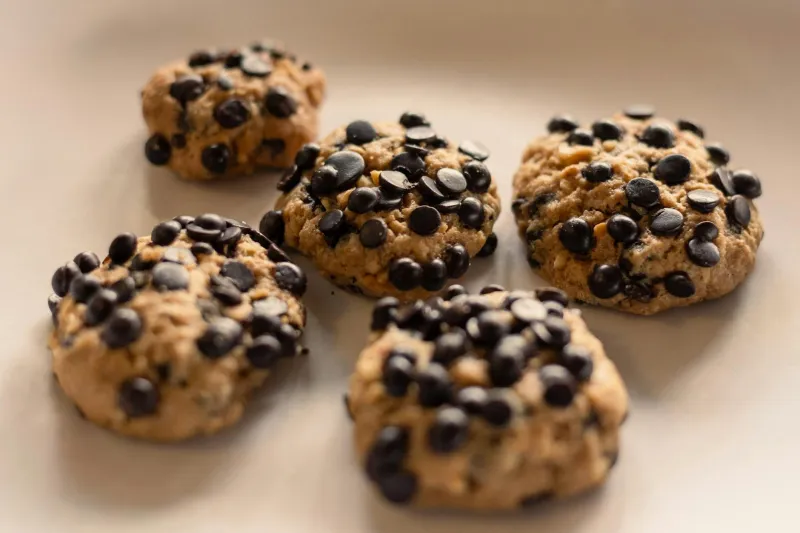
The Night Everything Changed at Toll House Inn
Picture this: It's 1930, and you're running a popular roadside inn in Whitman, Massachusetts. Guests are expecting your famous butter cookies for dessert, but you've just discovered you're completely out of baker's chocolate. What do you do?
If you're Ruth Wakefield, owner of the Toll House Inn, you grab a bar of Nestlé semi-sweet chocolate, chop it up, and toss the pieces into your cookie dough, hoping they'll melt and distribute evenly throughout.
They didn't.
Instead of melting completely, the chocolate chunks held their shape, creating something entirely new—and accidentally birthing what would become America's most iconic cookie.
From Desperate Substitution to Culinary Legend
Wakefield wasn't trying to revolutionize American baking. She was a trained dietitian and experienced cook who had purchased the Toll House Inn with her husband in 1930. The inn was famous for its home-cooked meals and Ruth's desserts, particularly her butter cookies made with melted baker's chocolate.
But that fateful evening, necessity became the mother of invention. When her chocolate chunks refused to disappear into the dough, creating instead pockets of sweetness throughout each cookie, Wakefield had unknowingly created something that would outlast the Great Depression, World War II, and countless food trends.
The guests loved them. Word spread quickly about these unusual "chocolate crunch cookies," and soon people were driving from Boston just to try Ruth's accidental creation.
The Deal That Built a Snack Empire
By 1938, Wakefield's recipe had become so popular that Nestlé took notice. The chocolate company was seeing a spike in sales of their semi-sweet chocolate bars in the Boston area, and they traced it back to the Toll House Inn.
What happened next was a stroke of business genius—or perhaps the most lopsided deal in food history, depending on your perspective.
Nestlé approached Wakefield with an offer: they would print her recipe on every package of their chocolate bars and even include her inn's name. In exchange, she would give them the rights to her recipe and receive a lifetime supply of Nestlé chocolate.
No cash. No royalties. Just free chocolate for life.
Wakefield accepted, probably never imagining that her kitchen accident would generate billions in revenue for Nestlé over the following decades.
How America Fell in Love with Imperfection
The timing couldn't have been better. As the Great Depression tightened its grip on American families, home baking became both an economic necessity and a source of comfort. The chocolate chip cookie was perfect for the era—it used common ingredients, was relatively inexpensive to make, and provided a sweet escape from harsh realities.
But there was something deeper at work. Unlike the perfectly uniform cookies produced by commercial bakeries, chocolate chip cookies celebrated beautiful imperfection. Each cookie was unique, with chocolate chips scattered in their own random pattern. They looked homemade because they were homemade.
This imperfection became part of their charm, making them feel more personal and authentic than mass-produced alternatives.
The Cookie That Conquered America
By the 1940s, Nestlé had introduced pre-formed chocolate chips, making Wakefield's recipe even easier to execute. The chocolate chip cookie became a staple of American childhood, school fundraisers, and family gatherings.
During World War II, soldiers received care packages filled with homemade chocolate chip cookies, spreading their popularity even further. By the 1950s, they were so synonymous with American home baking that they appeared in countless cookbooks and became the default "homemade" cookie.
Today, Americans consume over 7 billion chocolate chip cookies annually. They're sold in every grocery store, coffee shop, and gas station across the country. The global chocolate chip cookie market is worth over $4 billion and continues growing.
The Accident That Became an Institution
What makes Ruth Wakefield's story so remarkable isn't just that she created America's favorite cookie—it's that she never intended to create anything new at all. She was simply trying to make her regular butter cookies work with what she had on hand.
This accidental invention speaks to something fundamentally American: the idea that innovation often comes not from grand plans but from practical problem-solving and making do with what you have.
The Toll House Inn is long gone, demolished in 1984. But Ruth Wakefield's kitchen mistake lives on in millions of American homes, where parents and children still mix chocolate chips into cookie dough, probably never thinking about the Massachusetts innkeeper who started it all with a moment of improvisation.
Sometimes the best discoveries happen when we're not looking for them at all—when we're just trying to solve the problem right in front of us, one chocolate chip at a time.