The Socialist Board Game That Accidentally Taught America to Love Landlords
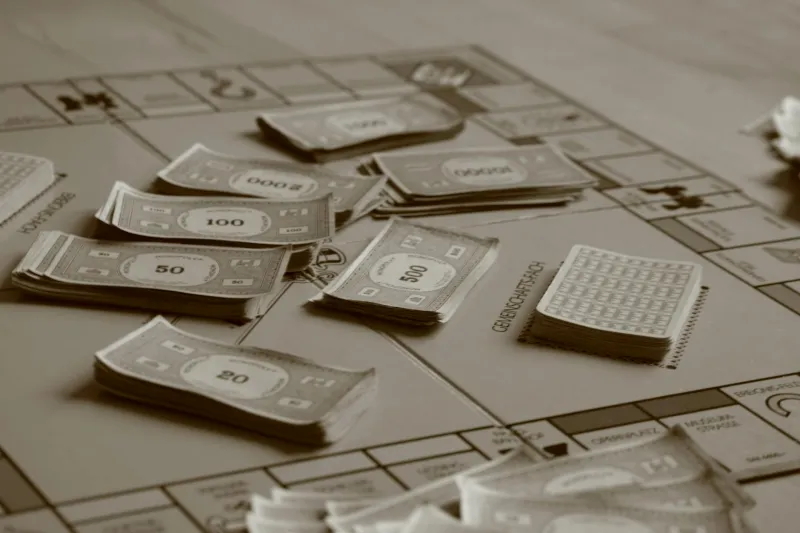
The Game That Was Never Supposed to Be Fun
Every American family has the same Monopoly story. Someone always cheats. Someone always cries. And someone always walks away convinced they're a real estate genius after buying Boardwalk. But the woman who actually invented this game would be horrified to know that millions of families spend their evenings celebrating the very economic system she was trying to destroy.
Elizabeth Magie wasn't trying to create entertainment when she designed "The Landlord's Game" in 1903. She was trying to start a revolution.
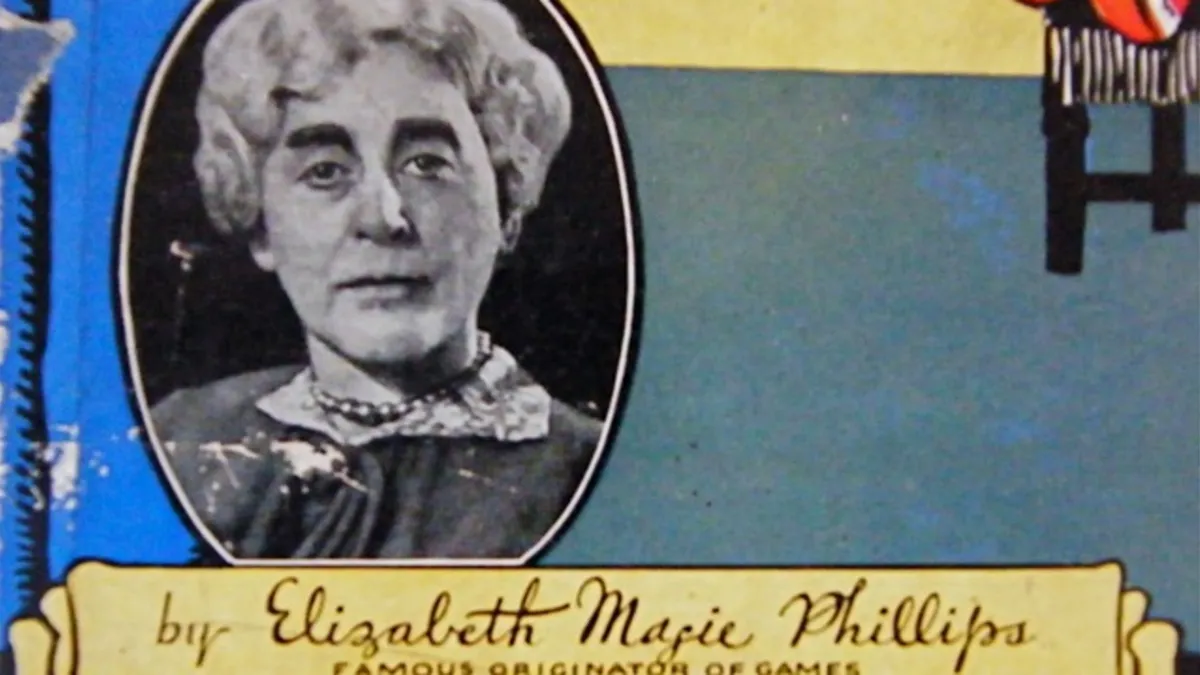 Photo: Elizabeth Magie, via images2.minutemediacdn.com
A Lesson Disguised as Play
Magie was a follower of economist Henry George, who believed that land ownership was the root of economic inequality. George argued that landlords got rich simply by owning property while contributing nothing to society—they collected rent while tenants did all the actual work. It was, in George's view, legalized theft.
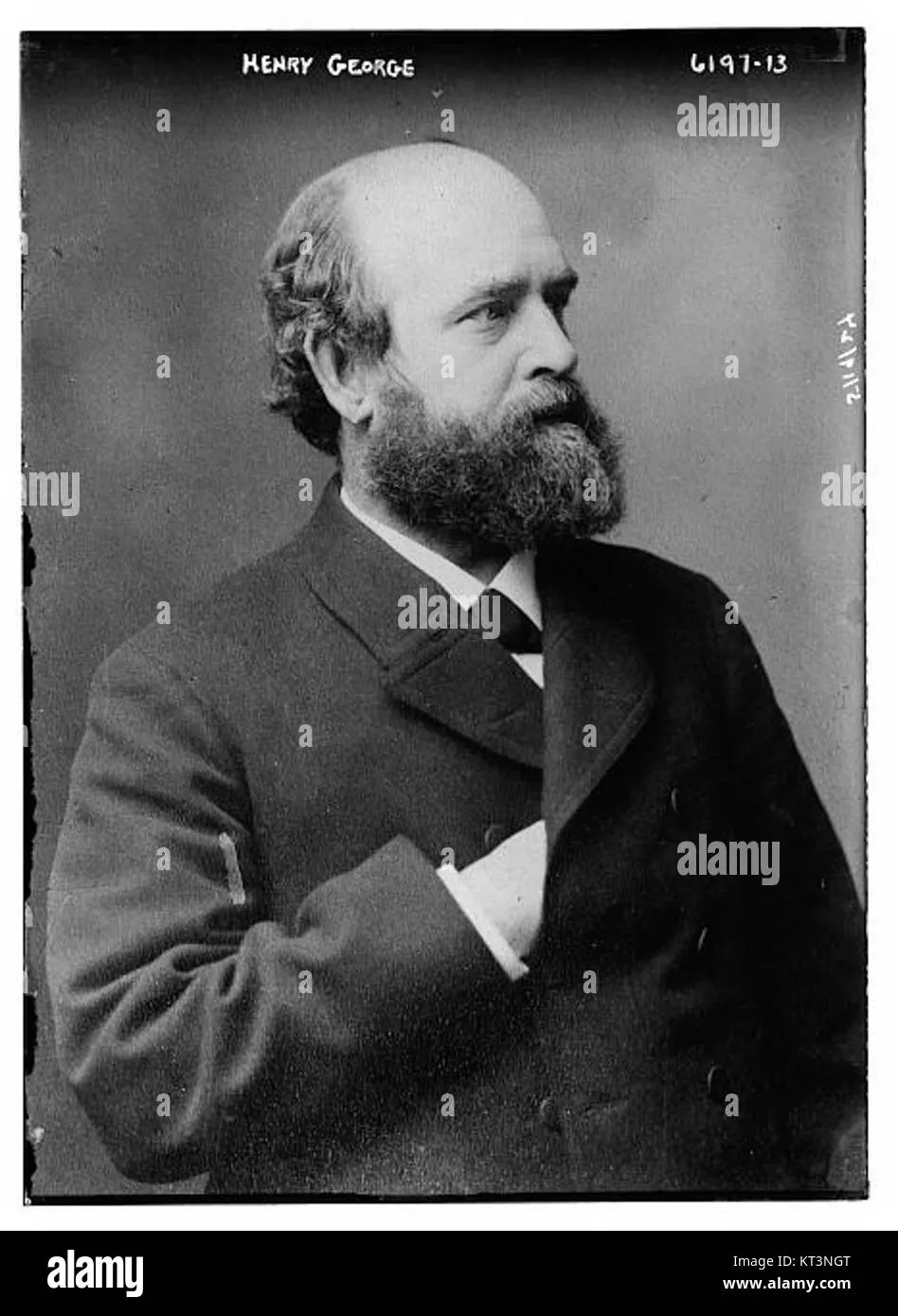 Photo: Henry George, via c8.alamy.com
So Magie created a board game that would demonstrate this injustice in the most visceral way possible: by making players live it.
The Landlord's Game had two sets of rules. In the first version, players accumulated wealth by charging rent and driving others into bankruptcy—exactly like Monopoly today. But Magie included a second ruleset called "Anti-Monopolist," where wealth was shared equally and everyone prospered when land values increased.
The contrast was supposed to be obvious. The monopolist rules created misery for most players while enriching one. The anti-monopolist rules created prosperity for everyone. Magie wanted families to play both versions and see the difference for themselves.
"It is a practical demonstration of the present system of land grabbing with all its usual outcomes and consequences," Magie wrote. She wasn't building a game. She was building a teaching tool.
The Theft That Built an Empire
For thirty years, Magie's game spread through progressive communities, college campuses, and Quaker meetinghouses. Players made their own boards, modified the rules, and passed it along. It was grassroots education disguised as entertainment.
Then Charles Darrow, an unemployed heating engineer from Philadelphia, learned the game from friends during the Great Depression. Darrow saw something different than Magie intended. He saw a product.
Darrow made his own version of the board, simplified the rules to focus only on wealth accumulation, and sold it to Parker Brothers in 1935 as his own invention. He became a millionaire. The box called him the inventor. Magie got nothing.
Parker Brothers knew about Magie—they even bought her patent for $500 to avoid legal trouble. But they buried her story and promoted Darrow as the creative genius behind America's new favorite game.
The Lesson That Backfired
What Magie created as a critique of capitalism became capitalism's greatest advertisement. American families gathered around Monopoly boards and learned to celebrate exactly what she'd tried to condemn: the idea that success meant accumulating property and charging others for the privilege of existing.
The anti-monopolist rules? Parker Brothers never included them. They disappeared entirely, along with Magie's original intent. What remained was pure landlord fantasy: buy property, charge rent, bankrupt your neighbors, and call it winning.
Generations of American children learned to associate property ownership with intelligence, luck, and virtue. The player who owned the most real estate wasn't exploiting anyone—they were simply better at the game. Magie's lesson about systemic inequality became a lesson about individual success.
The Monopoly Nobody Remembers
Today, Monopoly is one of the best-selling board games in history. It's been translated into dozens of languages and sold in nearly every country on Earth. Hasbro, which now owns the brand, estimates that over one billion people have played it.
But virtually none of them know about Elizabeth Magie or her original message. The game that was supposed to expose the dangers of land monopolies became a celebration of them. The teaching tool designed to promote economic equality became a training ground for economic competition.
Magie spent her final years watching her stolen creation spread across America, carrying the opposite message she'd intended. She died in 1948, largely forgotten, while Charles Darrow was celebrated as one of America's great inventors.
What We Actually Learned
The irony runs deeper than simple theft. Monopoly's success proves Magie's original point about how capitalism works. A wealthy man took a poor woman's idea, claimed credit for it, and built a fortune while she got nothing. The game became a perfect demonstration of the very system it was designed to critique.
Every time an American family sits down to play Monopoly, they're participating in Elizabeth Magie's economics lesson. They're just learning the wrong conclusion. Instead of seeing how land monopolies create inequality, they're learning to dream of being the monopolist.
The next time you're collecting rent on Park Place, remember: you're playing exactly the role Elizabeth Magie wanted you to hate.