How a Sanitarium Health Fad Became the Snack Bar Lining Every Checkout Counter in America
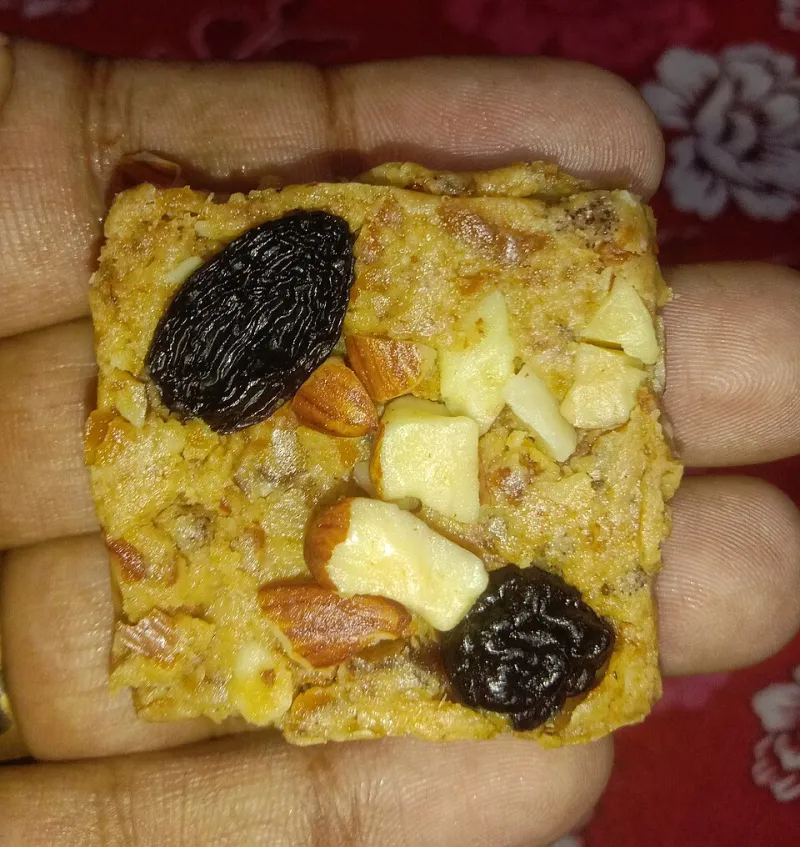
Photo: Billjones94, CC0, via Wikimedia Commons
Next time you tear open a granola bar between meetings or toss one into your gym bag, consider this: the thing you're eating was originally designed for sick people who weren't allowed to choose their own meals. It was considered medicinal. Borderline punishment. And for decades, almost nobody outside of a health retreat wanted anything to do with it.
That's a long way to travel to reach every gas station and grocery checkout in America.
The Doctor Who Decided Bland Was Better
The story starts in 1863 with a New York physician named James Caleb Jackson. Jackson ran a health reform facility in Dansville called "Our Home on the Hillside," which operated on the belief that most of what ailed Americans came down to bad food, bad habits, and not enough fresh air. His dietary philosophy was strict: no meat, no stimulants, no flavor that might excite the nervous system.
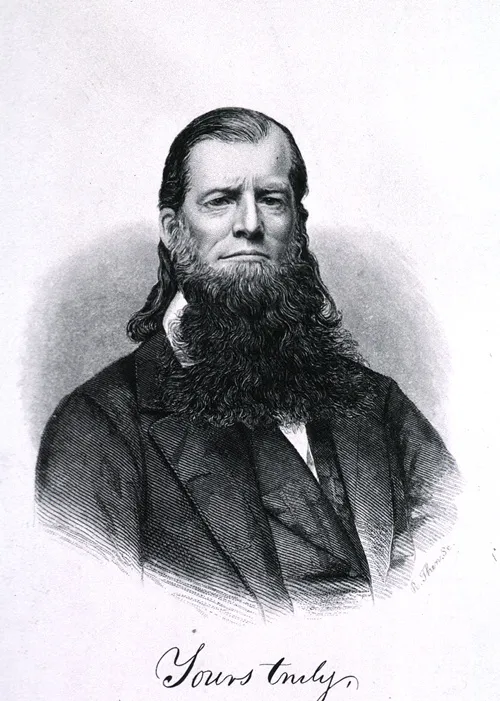 Photo: James Caleb Jackson, via www.saturdayeveningpost.com
To feed his patients, Jackson developed a dense, cracker-based food he called Granula — essentially graham flour baked into hard chunks, broken apart, and soaked overnight in milk just to make it chewable. It wasn't designed to taste good. It was designed to be inoffensive to a body he believed needed complete rest from the demands of rich food.
A few years later, John Harvey Kellogg — yes, that Kellogg — ran a similar operation called the Battle Creek Sanitarium in Michigan. He developed his own version of the baked grain food, also called Granula, and got sued by Jackson for the name. Kellogg changed one letter and called his version Granola. The word stuck. The product, however, did not — at least not yet.
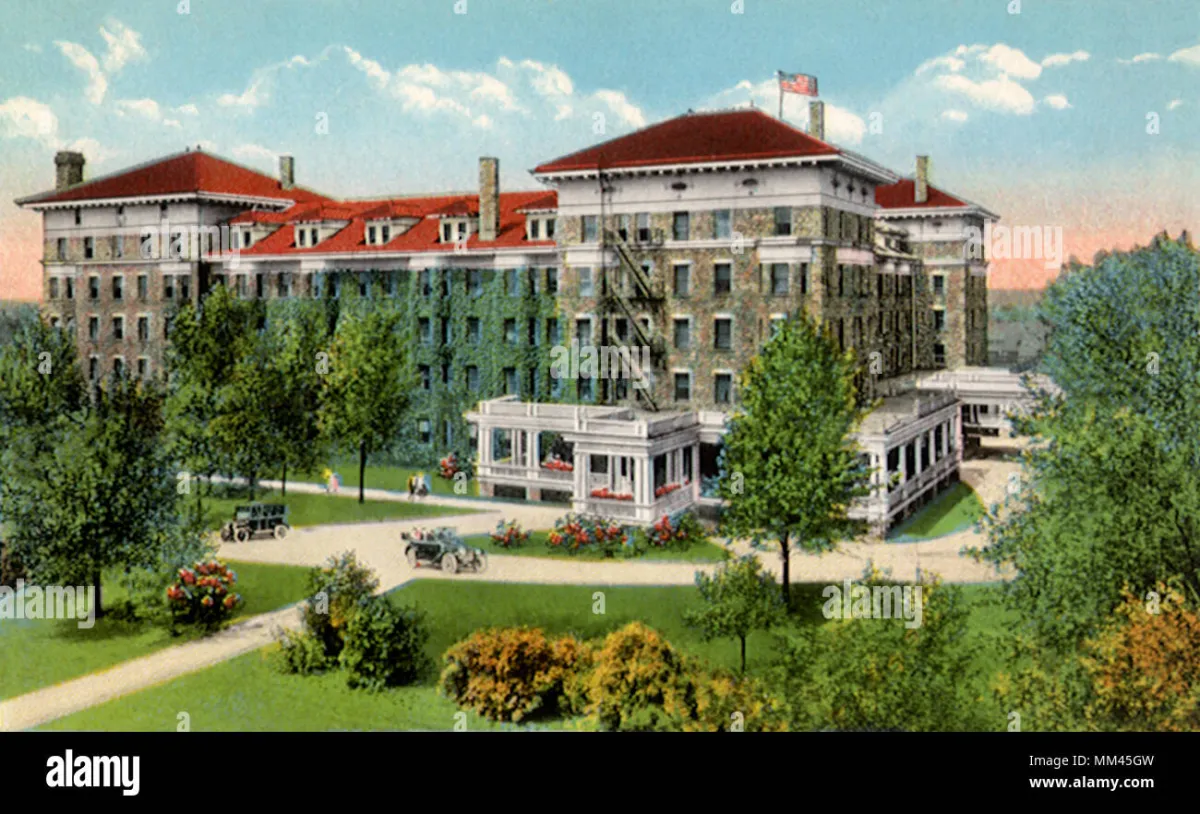 Photo: Battle Creek Sanitarium, via c8.alamy.com
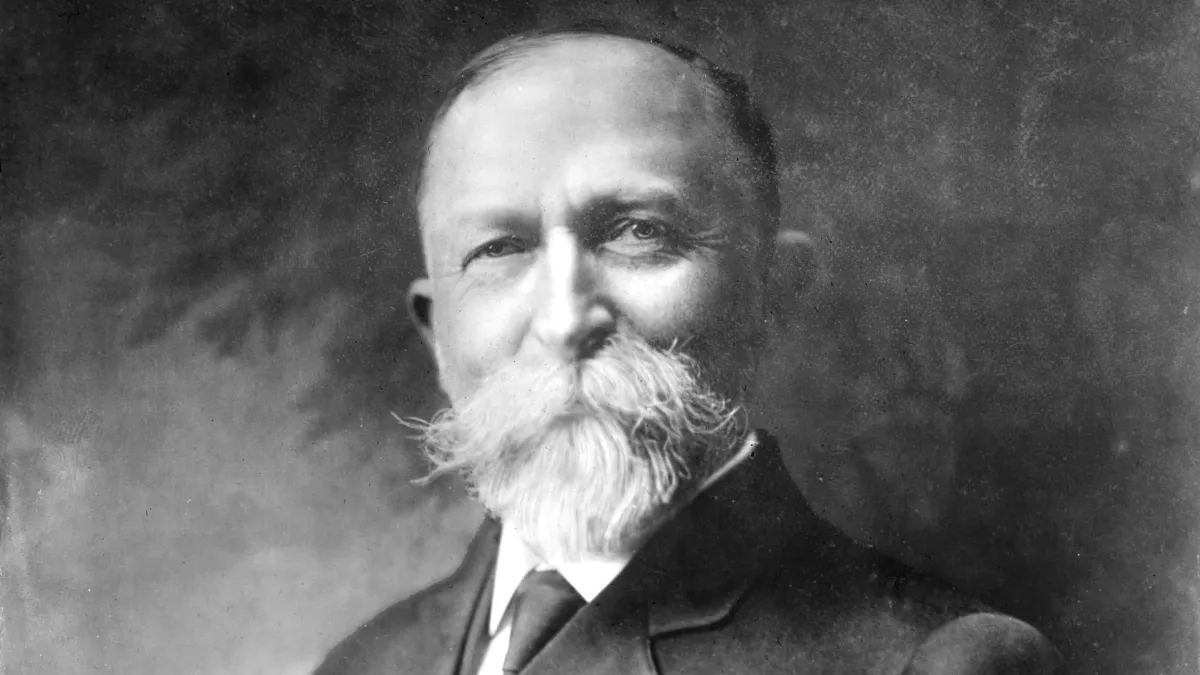 Photo: John Harvey Kellogg, via www.bremeneins.de
For most of the late 1800s and early 1900s, granola existed in a strange limbo. It was known, vaguely, as something health-conscious people ate. But mainstream America wasn't interested. Breakfast in the early twentieth century meant eggs, toast, or the increasingly popular packaged cereals that Kellogg himself would go on to perfect with far more palatable products. Granola was the weird cousin nobody invited to the table.
The Counterculture Saves the Day
The real turning point didn't come until the late 1960s, when America's counterculture movement developed a deep and slightly romanticized fascination with natural living. Suddenly, the things that had made granola seem medicinal and old-fashioned — whole grains, no preservatives, minimal processing — became exactly what a generation of young Americans was looking for.
Small natural food cooperatives and back-to-the-land communities started making their own granola in large batches. It was cheap to produce, kept well, and fit neatly into the idea of eating something real rather than something manufactured. By the early 1970s, commercial producers had caught on. Brands like Quaker and Heartland began selling bagged granola in grocery stores, and sales climbed steadily throughout the decade.
But granola was still a loose, bowl-based product. The leap to something you could carry in your pocket hadn't happened yet.
The Hiker Who Changed Everything
The transformation from cereal to snack bar came largely through the outdoor recreation boom of the 1970s and 1980s. As hiking, backpacking, and distance running grew in popularity, athletes and outdoor enthusiasts needed food that was calorie-dense, portable, and didn't require refrigeration. Trail mix was already popular, but it was messy. Granola was nutritious but crumbled everywhere.
The solution was binding it. Manufacturers began experimenting with honey, corn syrup, and other adhesives to press granola into bar form. The result was something that could survive a day in a backpack, deliver sustained energy, and taste reasonable enough that people actually wanted to eat it.
The Nature Valley Granola Bar, introduced by General Mills in 1975, is widely credited as the product that brought the format to mass market. It was marketed directly to outdoors-oriented consumers — people who hiked, camped, and skied. The packaging featured mountains. The message was rugged and natural. And it sold.
What followed was a slow but decisive expansion beyond the trail. Gyms started stocking them. Schools added them to lunch programs. Busy commuters discovered they made a reasonable substitute for breakfast when there was no time to sit down. By the 1990s, the energy bar category had exploded into a multi-billion-dollar industry, with brands like Clif Bar, PowerBar, and Luna competing for shelf space alongside dozens of others.
From Waiting Room to Checkout Line
Today the global granola and cereal bar market is worth well over $10 billion, and the American portion of that is substantial. You'll find granola bars in hospital cafeterias, airport kiosks, hotel minibars, office vending machines, and — completing a certain irony — the checkout lines of the same drugstores and supermarkets where people pick up prescriptions.
James Caleb Jackson invented his dense, joyless grain food to give sick people something that wouldn't excite their digestive systems. He couldn't have imagined that the same basic concept would one day be engineered with chocolate chips, protein isolates, and espresso flavoring, sold to healthy people running marathons and sitting through long meetings.
Every once in a while, the thing that gets rejected by one era finds exactly the right moment in another. Granola just needed a century and a good rebrand to get there.